 Sock Wholesalers
Page last updated: October 27, 2026
Building a sock range for the shelf: what the floor holds, range by range
A retail range is a planogram before it is a purchase order: how many categories, how the sizes break, what the carton says when it reaches the DC, and what happens at the second reorder. This page sets those four questions against what this floor actually holds, and shows where each answer is already published on the site.
Everything below is a style we knit, and each photograph links to its own specification sheet. Two lines are settled before any range is discussed: the minimum is 1,000 pairs per style, and the case pack is confirmed per style against your DC’s receiving rules. One boundary belongs on this first screen as well — we ship bulk to the address on the invoice, so store-level distribution and any guaranteed on-shelf date sit on your side of the ledger, not ours.
Size splits, cartons and replenishment
The three that decide a first range, answered before the category list rather than after it. Send the planogram and the chart as files with the brief — see the enquiry block at the foot of the page.
Can you knit to our own size chart?
Yes — size ranges are made to your chart, typically XS–XXL on request. Send the chart you sell against with the brief, including the foot length behind each size, because the chart is what the machine is set to.
How are cartons prepared for our DC?
As packing lines confirmed per style on the proforma invoice: pairs per inner box, pairs per carton, carton dimensions and the marking the carton carries. Tell us the receiving rules and the marking is set from them.
What happens at the second order?
It runs on the specification locked with the first production run, with the approved sample on file and colour bought to a dye lot locked per order. That is the mechanism behind a repeatable core line.
Six lines a range buyer works through
The order follows a range review: categories, size break, carton, packaging, lead time, replenishment.
Six categories under one purchase order
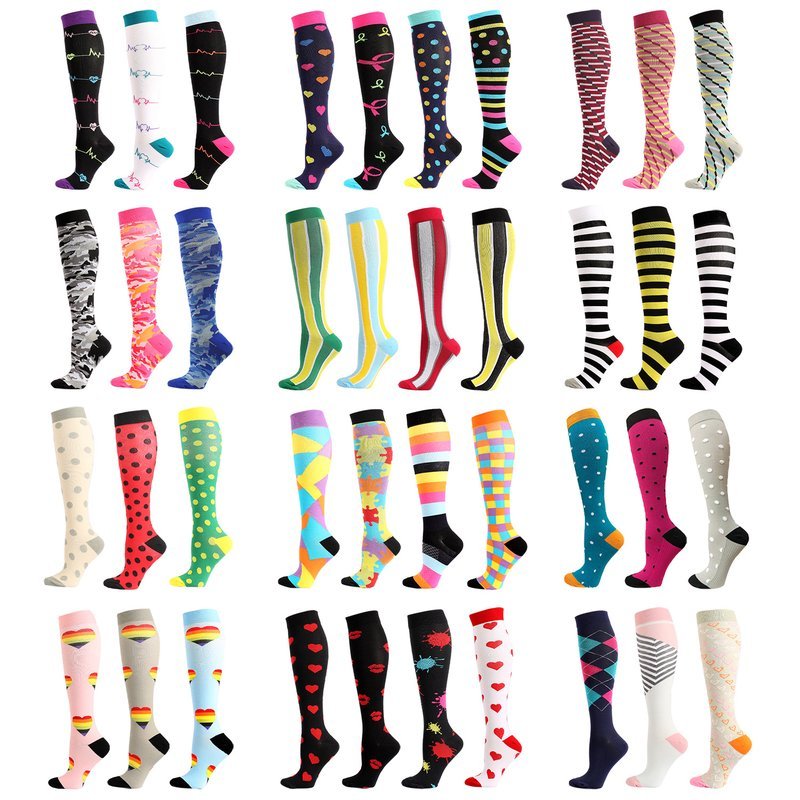
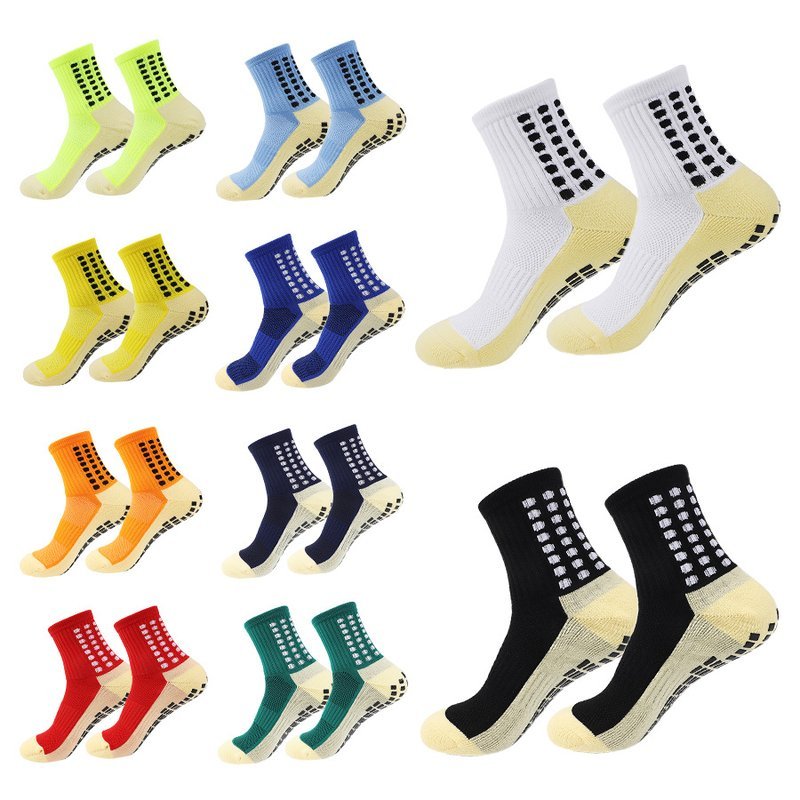
Sport, yoga, men’s, children’s, compression and ballet are knitted in the same building and shipped by the same export desk, so a range does not have to be assembled from six suppliers with six size charts and six lead times.
Where it applies: Multi-category ranges, seasonal shelf resets.
You decide: Which categories the first range carries, and the depth behind each.
Evidence: the six categories on the products page — see the specification sheet for this style.
Sizes are knitted to the chart you sell against
Size ranges are made to your chart, typically XS–XXL on request. That matters most in children’s and women’s lines, where a scaled-down or scaled-up adult chart produces a sock that fits badly on a shelf surrounded by better-fitting rivals.
Where it applies: Women’s ranges, children’s ranges, school and club lines.
You decide: The size break and the grade between sizes, in the chart you actually sell on.
Evidence: the size-range field on a style sheet — see the specification sheet for this style.
Cartons are marked for the DC, not for the ship
Pairs per inner box, pairs per carton and carton dimensions are set style by style on the proforma invoice, together with the marking the carton carries. A DC that receives unmarked mixed cartons charges somebody for the delay, and it is usually the supplier.
Where it applies: DC receiving, pallet builds, store-level distribution.
You decide: Case pack, carton marking and whether the inner box is your sellable unit.
Evidence: the packing field on a style sheet — see the specification sheet for this style.
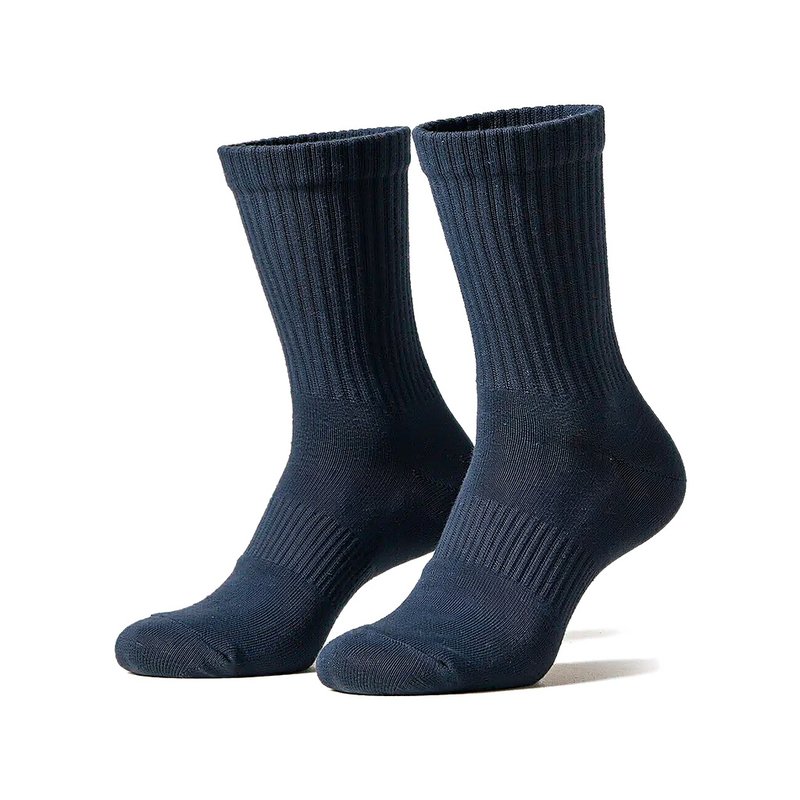
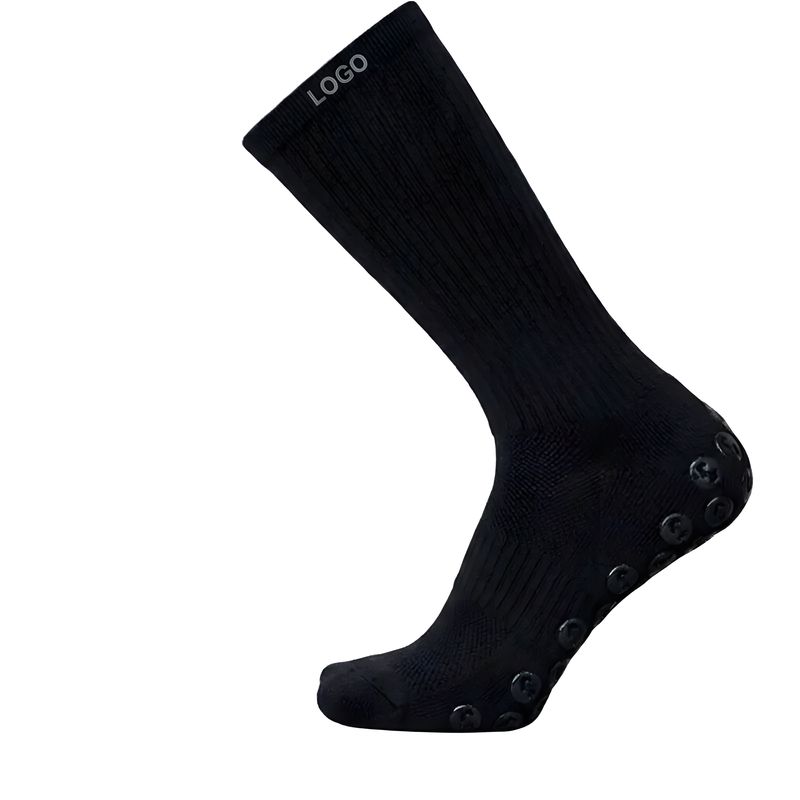
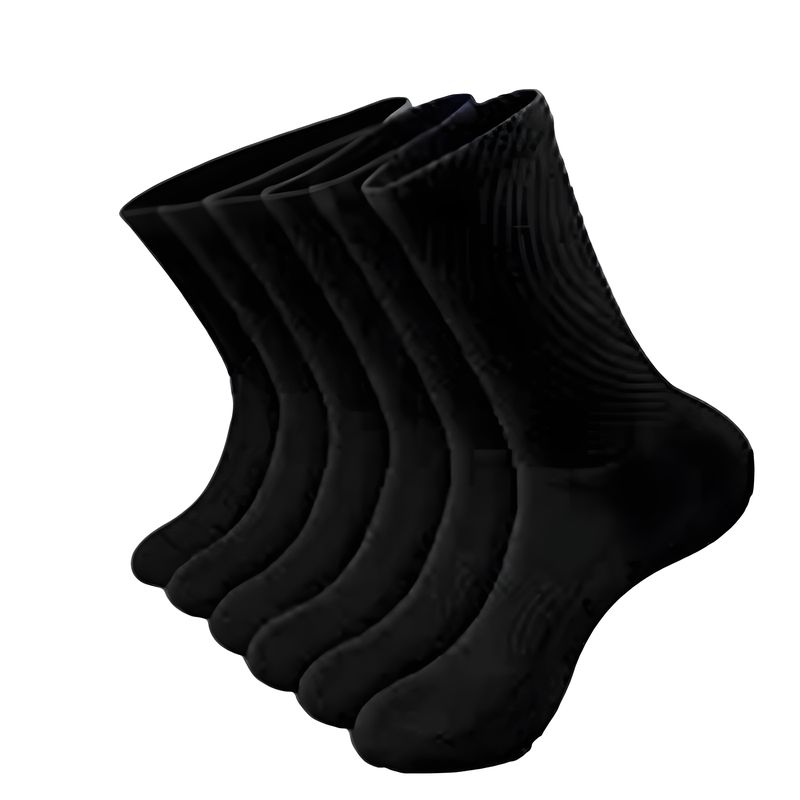
What is printed here, and what your range plan sets
A range buyer is judged on the second order as much as the first, so the lines that repeat well matter more than the first price.
Retail range terms. Published lines are printed on this site; quoted lines are settled per style on your proforma invoice.
- Order size
- 1,000 pairs per style
- Sample
- 3–5 days
- Bulk lead time
- 20–30 days
- Shipping transit
- 25–40 days
| Term | What we publish | How your range sets it | Where it is published |
|---|---|---|---|
| PublishedOrder size | 1,000 pairs per style for bulk orders. | Counted per style: a six-category range is six runs. | Quote page and every product page. |
| QuotedSize split | Made to your chart; typically XS–XXL on request. | The size break and the grade are set from the chart you sell on. | Specification sheet, size range. |
| QuotedCase pack and carton | Export cartons; header card, OPP bag and printed box as options. | Pairs per inner box and per carton, dimensions and marking are confirmed per style. | Packing fields on the style sheet. |
| QuotedShelf pack | Header card, OPP bag, printed box. | The pack format and its artwork are confirmed as a packing line on the invoice. | Packing fields on the style sheet. |
| PublishedSample | Typically 3–5 days after the brief and artwork; charged per style, credited against the first bulk order. | One sample per style, signed off before the range is committed. | Quote page, terms card, buyer FAQ. |
| PublishedBulk lead time | Typically 20–30 days after deposit received and sample approved. | Counted from deposit and approval, style by style. | Quote page and buyer FAQ. |
| PublishedShipping transit | Approx. 25–40 days sea, 5–10 days air, 3–7 days express. | The leg you book, to the DC named on the invoice. | Quote page, shipping section. |
| QuotedCosting | No price list is printed on this site. | The binding price sits on the proforma invoice against the confirmed specification. | Terms page and quote page. |
The line worth arguing about with any supplier is the case pack. A carton that suits the ship and not the DC is a cost that arrives three weeks later, on your side of the ledger.
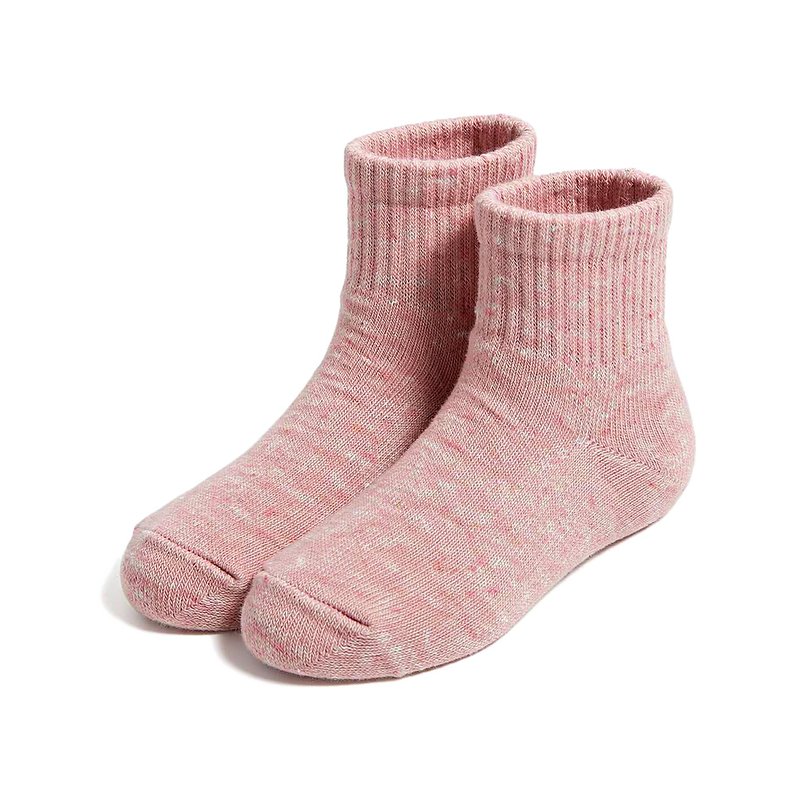
The pack is what the shelf shows
Header card, OPP bag and printed box are specified with the sock as packing lines, and the size and care label artwork goes into the same brief. The part of the product the shopper reads is decided before production, not at the packing station.
Where it applies: Shelf-ready packs, hang and shelf formats, own-label ranges.
You decide: Which pack format the shelf will take, and what artwork it carries.
Evidence: the packing fields on a style sheet — see the specification sheet for this style.
The calendar is set by the lead time, not the season
Bulk runs typically 20–30 days after deposit and sample approval, then approx. 25–40 days by sea, 5–10 days by air, 3–7 days by express. A shelf reset in early spring is a production order placed in the previous winter, not a January phone call.
Where it applies: Seasonal resets, promotional windows.
You decide: The order date that protects the on-shelf date.
Evidence: the lead-time lines on this site — see the specification sheet for this style.
The reorder runs on the sheet you approved
Construction, yarn, colour and the approved sample are fixed by the first production run, and colour is bought to a dye lot locked per order. A replenishment order is therefore a repeat against a document, not a new interpretation of a photograph.
Where it applies: Replenishment, core basics, year-round lines.
You decide: Which lines are core and carry repeats, and which are seasonal one-offs.
Evidence: a specification sheet on this site — see the specification sheet for this style.
Styles from the catalog for this buyer
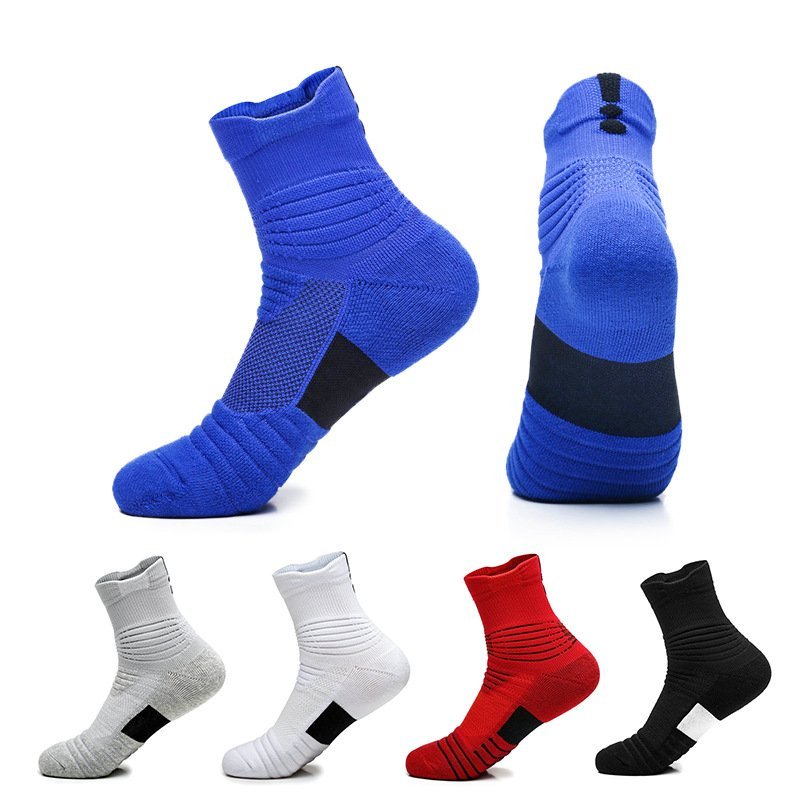
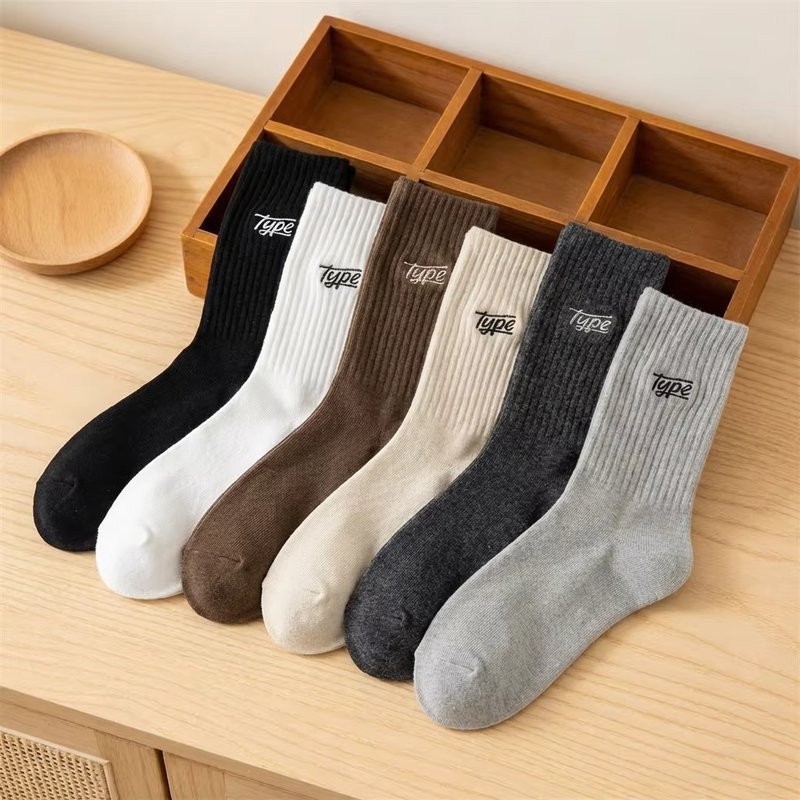
Both are current listings on this floor, and both are quoted on the terms in the table above. Each card opens the style’s own page.
What a chain should not assume from this page
Publishing the boundary is better than discovering it at the DC.
- No store-level replenishment from us. We ship bulk to the address on the invoice; distribution to stores is yours.
- No guaranteed on-shelf date. We hold the production figures; the transit legs above are the published ranges.
- No price list. Costing follows specification and quantity onto the proforma invoice.
- No buyer names. Retail customers are not ours to publish as references.
- No OEKO-TEX or GRS file under our name. If your market requires one, name it in the brief.
- No medical-device registration. Compression here is a 20–30 mmHg sock, not a medical device.
Send the range plan, category by category
List the categories, the size break and the case pack your DC accepts. Attach the planogram and the size chart as files: a spreadsheet, or a PDF of the chart you sell against, is the fastest route, because the chart is what the machine is set to. The reply comes back within one working day with the construction per line, the MOQ in writing, the sample route and the production calendar that fits your shelf date.
Michelle Zhang, Export sales manager, answers enquiries within one working day — sales@sockwholesalers.com, +86-13761030160 (WhatsApp same number).