 Sock Wholesalers
How to test sock durability before you commit to bulk
A wear trial takes months, and a bulk order arrives sooner. Six bench tests cover most of the risk, and none of them replaces the sample you sign.
This page covers how to test sock durability on a bench, plus the part of the answer that only real feet give you.
On this page
What a bench test can and cannot do
A bench test applies one stress many times in a short window. It cannot tell you how a runner wears a heel, or how your customers wash a sock at home.
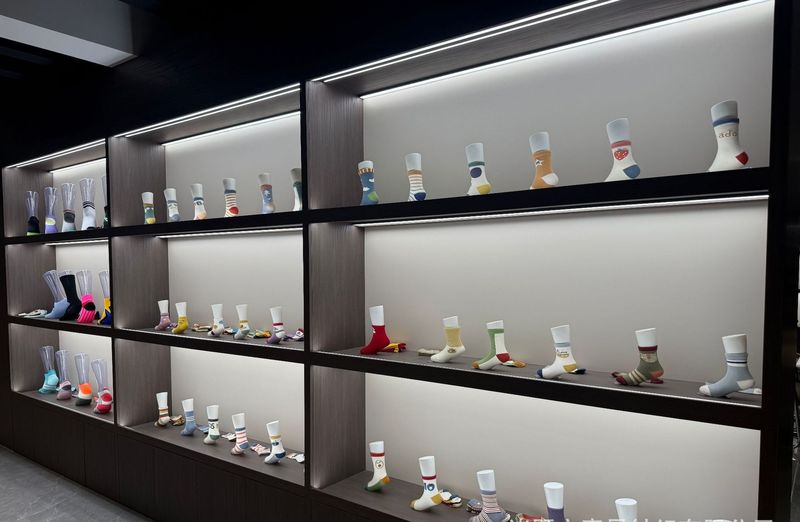
Samples are kept after approval. A second test only means something if the first sample still exists to compare with.
Read a result as a comparison rather than a verdict. Two candidate socks tested the same way give you a ranking. One sock tested alone gives you a number with nothing to sit beside.
So test the candidates, not the winner. Choose the method before the samples arrive, and keep the method identical across all of them.
The test a laboratory cannot run
A wear trial on real feet. Hand out pairs to the people who will wear them, in the way they will wear them.
Ask for the failure point rather than an opinion. Heel, toe, cuff or sole, and how many wears it took to get there.
That one detail tells the desk more than a satisfaction score. It goes onto the next specification, and it is the reason a second order often fits better than the first.
Test, what it shows, where it stops
Six bench tests, what each one shows, where it stops being useful, and whether the floor runs it or a laboratory does. For the checks that sit around these tests on a bulk order, see the Sock Quality Control Checklist.
| Test | What it shows | Where it stops | Who runs it |
|---|---|---|---|
| Repeated wash cycles | Shrinkage, colour loss, cuff relaxation | Cannot model your wash routine | Laboratory bench, booked against the method you name |
| Abrasion rub | How the sole and heel wear | Cannot place the wear on a real foot | Laboratory bench, booked against the method you name |
| Pilling | Surface fuzz after rubbing | Says nothing about fit | Laboratory bench, booked against the method you name |
| Colourfastness to wash | Whether colour bleeds onto a white load | Says nothing about fading in light | Laboratory bench, booked against the method you name |
| Colourfastness to rubbing | Whether dye transfers to a shoe | Says nothing about washing | Laboratory bench, booked against the method you name |
| Elastic recovery | Whether the cuff returns after stretching | Cannot predict a long day on a foot | The floor checks cuff tension on every run; a laboratory method when you need a figure |
The floor checks stitch density, linking and cuff tension on every run. The other five are laboratory benches, which is why they are booked rather than assumed.
Every test above has a working figure on this page, in the thresholds table that follows. A row in that table is only as good as the method beside it: a pass line belongs to the method, the yarn and the market you are selling into, so name the method with the brief and the figure goes on the quotation beside it, before sampling starts — so the number you hold us to is the number we wrote down, and both sides read the same test rather than two versions of it.
Durability thresholds we work to
The lines below are the ones we typically hold on the styles this floor knits, each named against the method it is tested to. They are working figures to put on a brief, and the method travels with the number.
| Property | Line we work to | Method |
|---|---|---|
| Home laundering | 40 washes at 40°C, with no holes and no distortion after the last cycle | ISO 6330 wash routine, with colour assessed to ISO 105-C06 |
| Abrasion at the sole | ≥ 20,000 rubs | Martindale, ISO 12947-2 |
| Grip dot retention | ≥ 8,000 rubs, grip still holding | Our own rub method, tested in house to that count |
| Pilling | ≥ grade 4 | ISO 12945-2 (Martindale) |
| Dimensional change after wash | ≤ 5% change in length or width | ISO 6330 |
| Toe seam strength | ≥ 60 N | Seam strength pull test on the linked toe |
Read each row with its method. The 5% line is how much the sock is allowed to move after washing, read as a change in length or width; the 20,000-rub line is how much rubbing a sole takes before the yarn gives. Neither figure says how long a pair lasts on a particular gym floor, because the surface under the foot and the wash routine in the home both sit outside the bench. Where a market asks for a stricter line, name the method and the figure on the brief, and it is answered against that method in writing before sampling starts.
Questions buyers ask
Do you run these tests in house?
Partly, and the split is worth knowing before you plan a calendar. The floor checks stitch density, linking and cuff tension on every run, and it runs the grip dot rub itself, tested in house to 8,000 rubs before a sole print is accepted. Nothing on that list needs a booking. The six bench tests in the table above are laboratory methods, booked against the method you name, and the report comes back to you rather than to us alone. Booking adds its own calendar on top of the sample round.
Which test matters most for sport?
Two carry most of it: abrasion at the heel, and abrasion at the toe. Those are the two places a court or pitch sock fails first, and both fail long before the yarn does.
How long does a wash test take?
Longer than a sample round, which is 3–5 days. A laboratory adds its own queue on top, so book the method with the brief rather than after the deposit. That way the report lands before the run ends.
What if the sample and the bulk measure differently?
Report both figures to the desk with the order number. One pair from the sample and one from the carton, weighed and checked the same way. A written comparison is what a claim rests on.
The styles this guide applies to
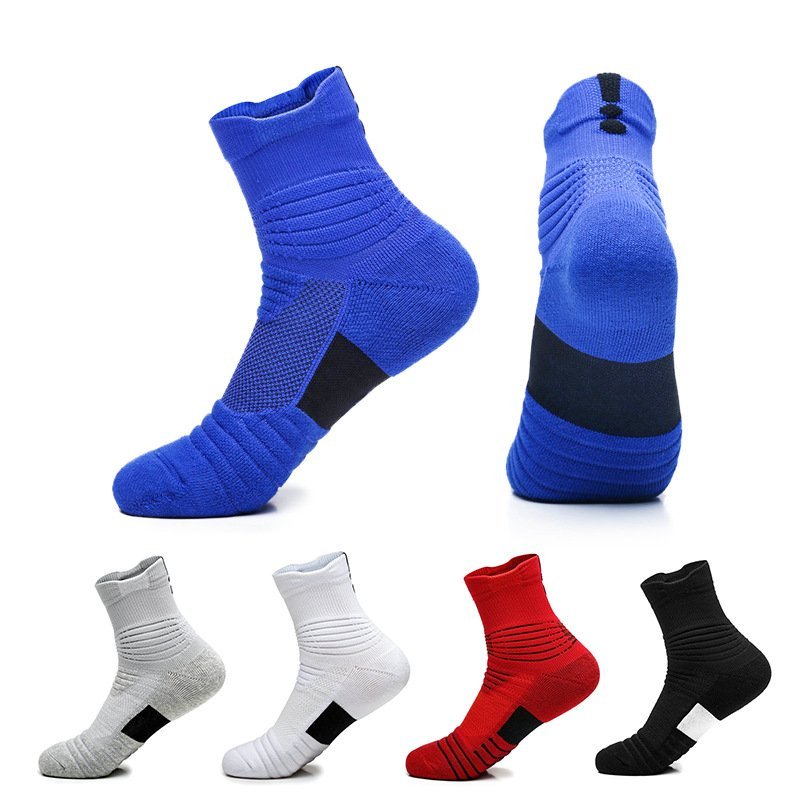
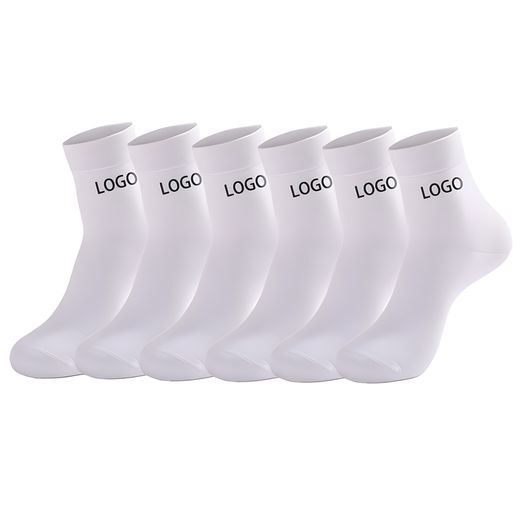
Every style on this site is quoted on the terms this page sets out. Both cards open the style’s own page — photographs, specification sheet and terms, without an email first.
Who wrote this guide
This guide was written by Michelle Zhang, Export sales manager at Sock Wholesalers. She sits on the export desk that answers buyer briefs, quotes orders and books freight, which is where the questions in this guide come from.
Two socks, one method
Test two candidates the same way, then test the winner on real feet. That sequence costs a week and covers most of the risk.
Send the construction and the test method you want. The desk replies within one working day.