 Sock Wholesalers
How to negotiate sock pricing without cutting the spec
A per-pair price is a sum of parts, and every part belongs to a choice you made. Knowing which choices move the number is most of the negotiation.
This is how to negotiate sock pricing from the parts up, and where the room to move usually comes from when nobody offers to explain it.
On this page
What a per-pair price contains
Yarn, knitting time, toe linking, boarding, packing and freight. Yarn and knitting time carry most of the number, and packing is small but visible when two quotes are compared.
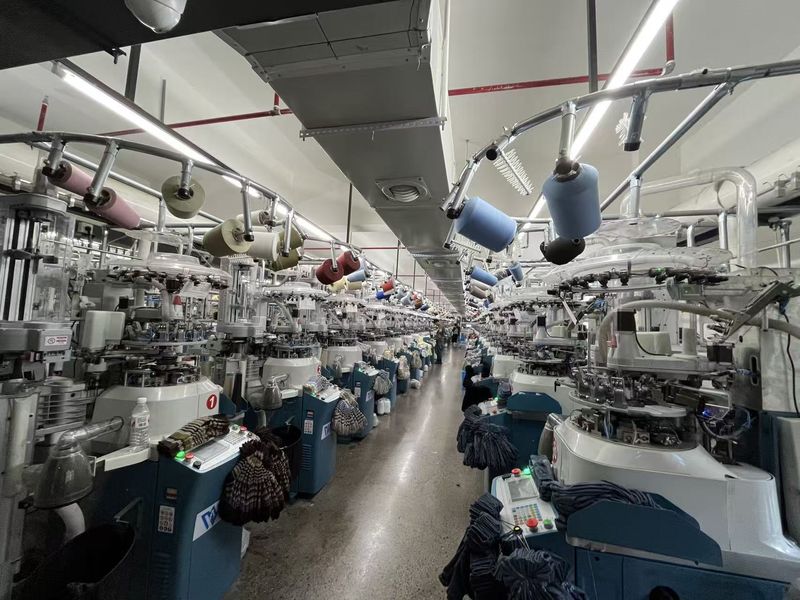
Most of a per-pair price is time on these machines. That is the part a quantity band can actually move.
We publish no price list. The wholesale price comes back with your specification, colour count and quantity, on a proforma invoice.
That is not a dodge. A price quoted before the specification is fixed is a guess, and a guess that moves later is what sours a project.
Six levers, and their floors
Quantity per style, size split, colour count, yarn, packing and reorder planning. Each one is a real change to the run, and each one has a floor below which the run stops making sense.
Ask which lever moved the number. A quote that drops with no answer to that question has usually changed a part you did not agree to.
Bring two levers, not six. A quote built on a real quantity and a real size split is the one worth setting beside another supplier’s. Send both and the desk quotes against them: send your volume.
Lever, what changes, what it cannot fix
Six levers, what each one changes on the floor, what it cannot change, and how much room each one has.
| Lever | What changes | What it cannot change | How far it moves |
|---|---|---|---|
| Quantity per style | Machine setup spread over more pairs | The yarn you chose | The most room of the six: setup on these machines is most of a per-pair price |
| Size split | Fewer size changes per carton | The minimum per style | A small move: it touches picking and packing, not the knitting |
| Colour count | Fewer dye lots and fewer changeovers | The shade you need | A small to moderate move: fewer colours means fewer dye lots to buy and fewer changeovers |
| Yarn | Fibre and count on the needle | The foot length band | A large move — and it changes the sock, not just the number |
| Packing | Labour in the packing room | The sock itself | Small but visible when two quotes sit side by side |
| Reorder planning | The floor plans around a repeat | The first order calendar | Nothing on the first order; it shapes the repeat |
Ask the desk for the wholesale price on your own construction. A landed cost comparison also needs the trade term, and the term is printed on the proforma invoice.
No price list is published and no indicative figure is printed here, because a per-pair number belongs to a specification. Send the construction with the quantity band and the figure comes back on your own order — send your volume for a reference price, within one working day.
Questions buyers ask
Will you match another quote?
Yes, once we can see the construction behind it. Send the other quote with its specification, and the desk compares yarn, gauge and packing, then says in writing where the two differ. Matching a number without matching the sock is not a saving.
How does a bigger order change the price?
By spreading the setup over more pairs. A run at 1,000 pairs and a run at 5,000 pairs do not share the same cost structure. The size of the drop depends on the style, and the desk puts the figure on the quotation.
Can I get a price before sampling?
Yes. The costing comes first and the sample confirms the construction behind it. Nothing is charged for the costing, and the sample fee is quoted with it, then credited against your first bulk order.
What is not negotiable?
The signed sample. Once you approve it, bulk is checked against it, and a run that misses it is a claim waiting to happen. That line is worth holding even when the number moves in your favour.
The styles this guide applies to
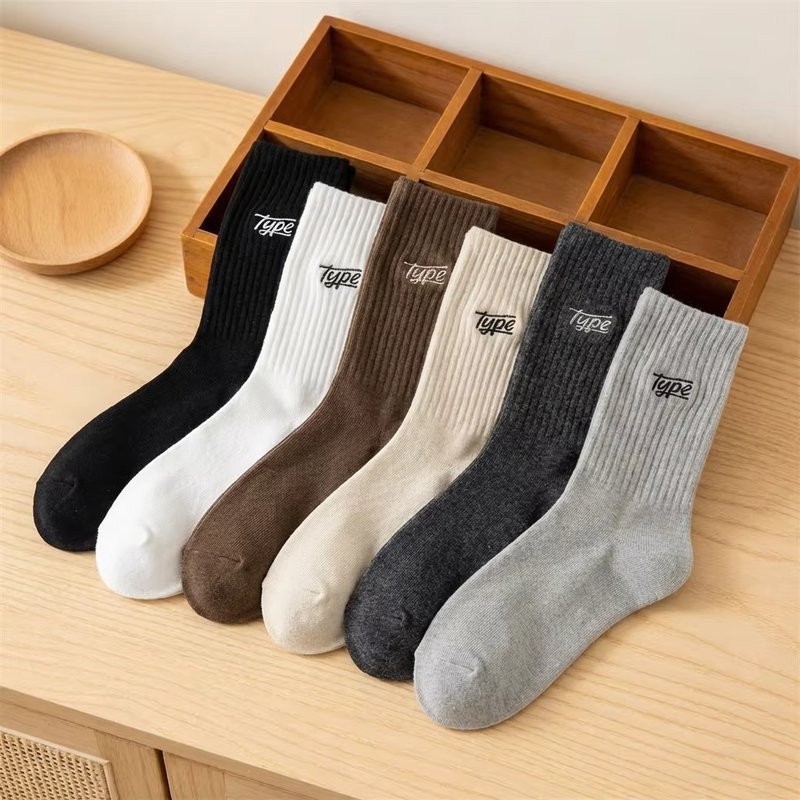
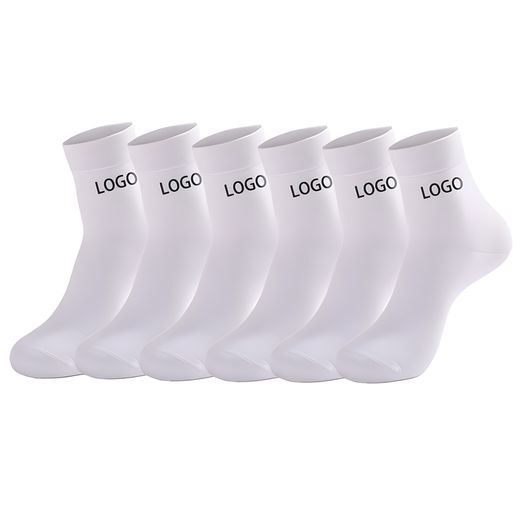
Every style on this site is quoted on the terms this page sets out. Both cards open the style’s own page — photographs, specification sheet and terms, without an email first.
Who wrote this guide
This guide was written by Michelle Zhang, Export sales manager at Sock Wholesalers. She sits on the export desk that answers buyer briefs, quotes orders and books freight, which is where the questions in this guide come from.
Move the run, not the sock
Change quantity, size split, colour count or packing. Keep the fibre, the gauge and the approved sample where they are.
Send the brief and the quantity band on the enquiry form, and the costing comes back within one working day.