 Sock Wholesalers
How to calculate sock shipping volume per carton
Socks are light for their size, so freight is priced on volume before weight. Four measurements turn a carton into a figure a forwarder can quote against.
The method for how to calculate sock shipping volume is below, worked through once with a carton size you can check on your own desk.
On this page
Start from the sealed carton
Measure the outside of a closed carton in centimetres. Length, width and height, with the flaps down. Inside dimensions give a volume that no carrier will bill.
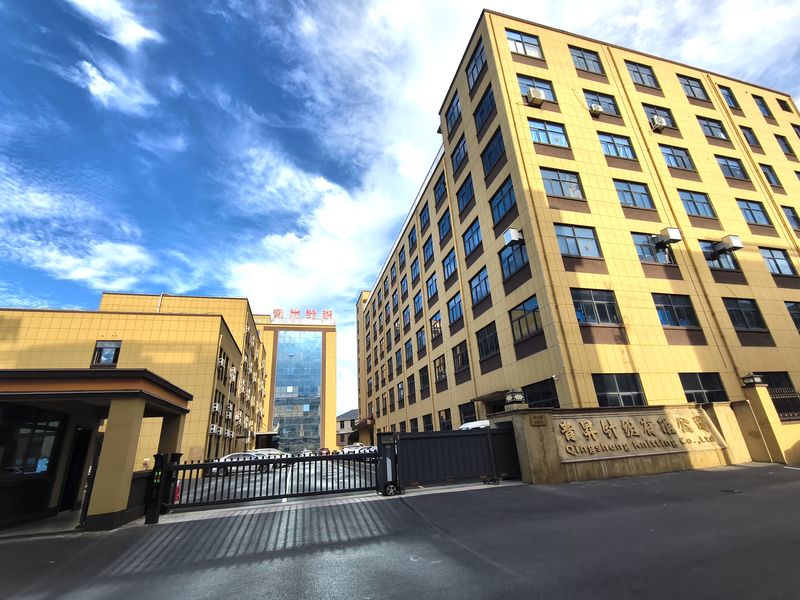
Loaded cartons leave from this yard. A forwarder measures them there, not from a spreadsheet.
Multiply the three figures and divide by one million. That is cubic metres for one carton. Round up when you report it, never down.
A carton at 60 × 40 × 40 cm measures 96,000 cm³, or 0.096 m³. With 100 pairs inside, one pair takes 0.00096 m³.
From one carton to a whole order
Divide the order by the pairs per carton, round the carton count up, then multiply by the volume of one carton.
A 10,000 pair order at 100 pairs per carton is 100 cartons, or 9.6 m³. A part carton still takes a pallet slot and still gets measured.
Then ask the forwarder for their volumetric divisor. Sea and air use different ones, and the divisor decides the chargeable weight. Take that figure from the desk that will book the load.
Measurement, formula, result
The five lines that turn a sock order into a freight figure.
| Step | What you measure | Formula | Result |
|---|---|---|---|
| Carton volume | Length, width, height with flaps closed | length × width × height | cm³ |
| Carton in cubic metres | The figure above | cm³ ÷ 1,000,000 | m³ |
| Carton count | Order quantity and pairs per carton | pairs ÷ pairs per carton, rounded up | cartons |
| Total volume | Cartons and the volume of one | cartons × m³ per carton | m³ |
| Chargeable weight | The divisor your forwarder confirms | volume ÷ that divisor | kg |
Only the last line comes from outside this page. Ask for it in writing, because a wrong divisor is the usual reason two forwarders quote the same order differently.
The same five lines as a worksheet
This is the format to copy into your own file. Left column is the field, middle column is what gets written in it, right column is the worked order used higher up this page, so every figure can be checked against the arithmetic above.
| Field | What you write in it | The worked order |
|---|---|---|
| Order quantity | Total pairs on the purchase order | 10,000 pairs |
| Carton size | Outside dimensions, flaps closed | 60 × 40 × 40 cm |
| Pairs per carton | From the packing agreed on the order | 100 pairs |
| Cartons | Pairs ÷ pairs per carton, rounded up | 100 cartons |
| Volume per carton | cm³ ÷ 1,000,000 | 0.096 m³ |
| Total volume | Cartons × volume per carton | 9.6 m³ |
| Chargeable weight | Volume ÷ the divisor your forwarder confirms | Filled in by the forwarder |
The size split is left off this worksheet on purpose. It moves between orders, it is confirmed on the purchase order, and it does not change any volume line above when the pair count per carton stays the same.
Check the sum
Send your own figures and have them checked
Work the five lines on your own carton, then send the order quantity, the carton size and the pairs per carton. The desk checks the arithmetic against the packing we would actually run, and the reply comes back with the volume and the divisor question your forwarder has to answer.
Questions buyers ask
Is volume quoted before weight?
Yes, for socks. A carton of socks runs out of space before it runs out of weight allowance, so a forwarder prices the slot rather than the mass. That is why carton size decides more of your freight than sock weight does.
Does a pallet change the figure?
Yes. A pallet adds its own height and footprint, and the forwarder measures the loaded pallet rather than one carton. Give them the stacked height and the pallet size you will ship, board included.
Where do the pairs per carton come from?
From the packing list on your purchase order. Packing is confirmed after the costing, so that figure arrives with the costing rather than with the first email. Until then, work from the band we quote.
What if one load carries several styles?
Send one line per carton size. Mixed cartons are measured the same way, and mixed contents do not change the volume. The count per carton does change, so each size gets its own line.
The styles this guide applies to
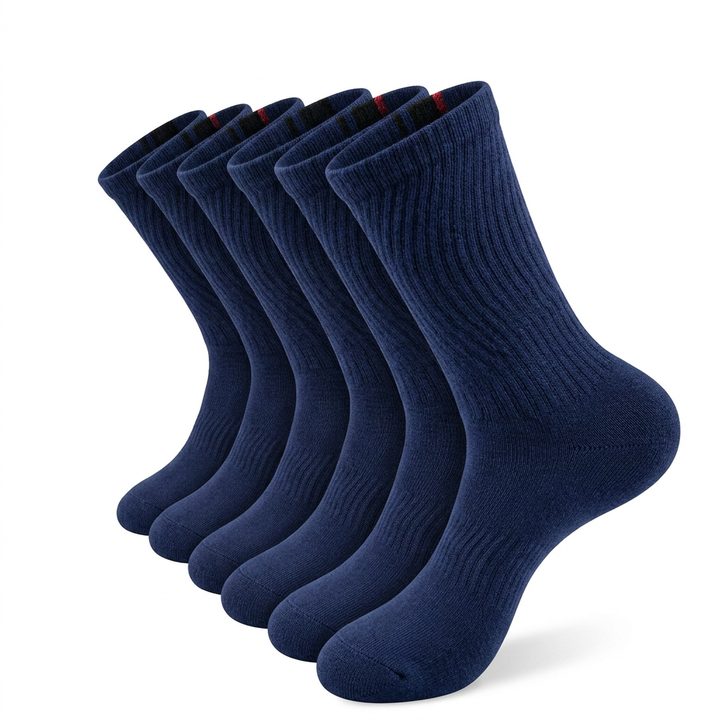
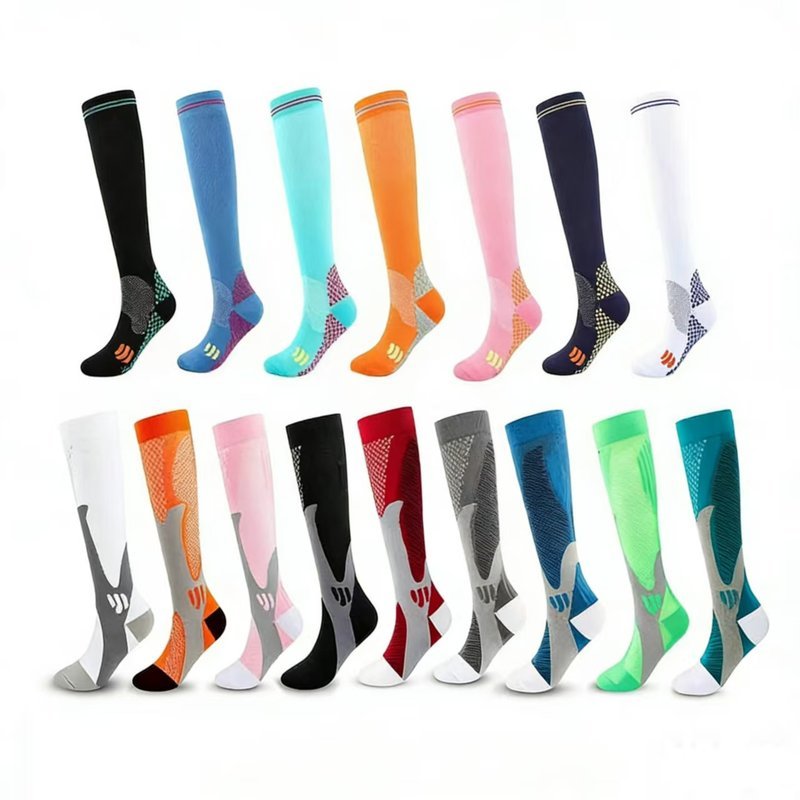
Every style on this site is quoted on the terms this page sets out. Both cards open the style’s own page — photographs, specification sheet and terms, without an email first.
Who wrote this guide
This guide was written by Michelle Zhang, Export sales manager at Sock Wholesalers. She sits on the export desk that answers buyer briefs, quotes orders and books freight, which is where the questions in this guide come from.
Measure the carton, not the pair
One carton size, one figure, then multiply. That is the whole method, and it holds up better than an estimate from a forwarder who has not seen the goods.
Tell the desk the quantity band and the packing you want. The reply comes back within one working day.