 Sock Wholesalers
A sock size chart for importers to order against
A size chart is a production document, not a marketing one. Six fields make it usable on the machine floor, and two of them are the ones buyers leave out.
A workable sock size chart for importers needs no more than this page, and it carries to the next order without a rewrite.
On this page
Foot length, not shoe size
Shoe sizes move between markets and between brands. Foot length in centimetres does not, which is why a chart built on it survives a change of market. The table below prints the EU and US scales beside the centimetre band, as a mapping onto it rather than as the measure the floor works from.
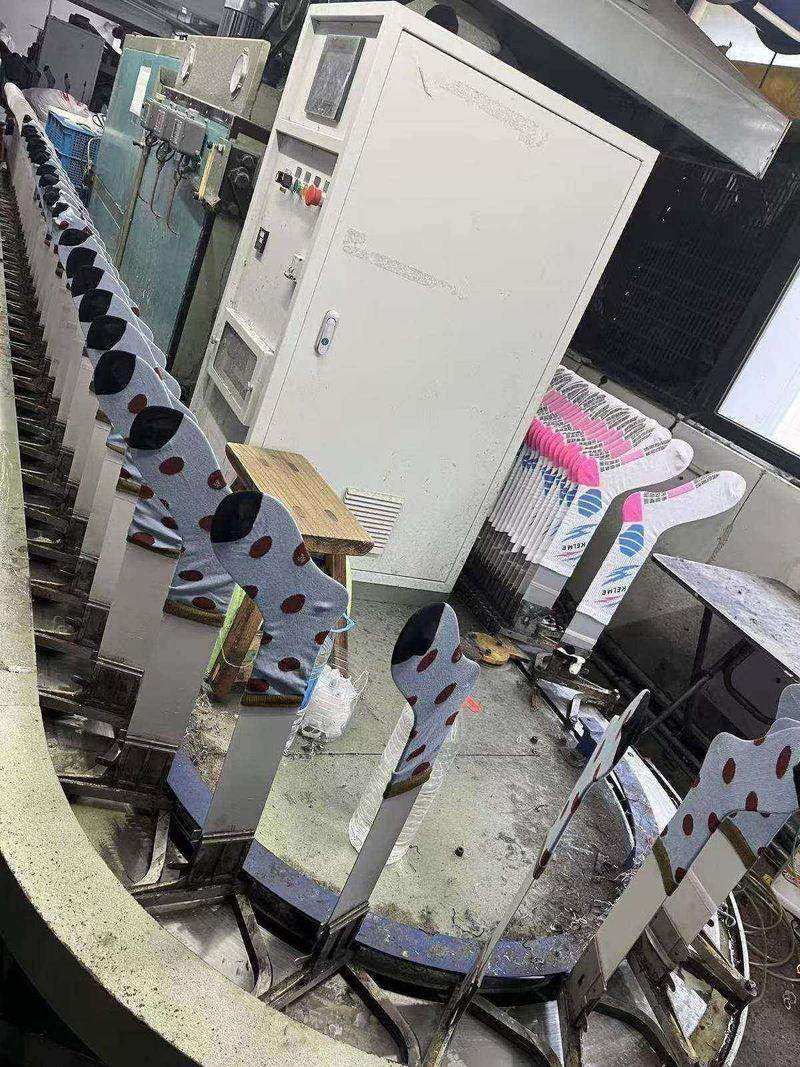
Boarding sets the finished length. That is why garment length belongs on the chart, not foot length alone.
| Size | Foot length (cm) | EU | US men | US women |
|---|---|---|---|---|
| XS | 20–22 | 32–34 | — | 3–5 |
| S | 22.5–24 | 35–37 | 4–6 | 5.5–7.5 |
| M | 24.5–26.5 | 38–40 | 6.5–8.5 | 8–10 |
| L | 27–29 | 41–43 | 9–10.5 | 10.5–12 |
| XL | 29.5–31 | 44–46 | 11–12.5 | — |
| XXL | 31.5–33 | 47–49 | 13–14.5 | — |
Foot length is the fixed point; the EU and US columns are the mapping we use. Adult size against foot length, with the two shoe scales set beside it. Two independent published charts agree within about half a centimetre of these bands, and supplier charts differ by up to about one centimetre overall — treat the centimetre band as the reference and confirm it against the foot you are fitting. A missing entry in a shoe column means that size is not offered in that scale, not that the sock is unavailable.
Write each band low to high, in centimetres. One number per size is not a band, and an operator cannot set a cylinder from it.
The same logic holds on children’s ranges, where the band is narrower because a foot passes through a size in a shorter time.
Those two columns are a convenience, not a second base measure. The shoe scales move between markets and between brands, so the chart maps them onto the centimetre band rather than the other way round: the band is what the floor sets a cylinder from, and it is the number we work to when a style is knitted. Sizes are therefore typically quoted in centimetres, with the letter or number your market reads printed on the pack. If your market sells against a scale that reads differently, send the chart your market sells against and the desk maps each of your labels to one of these bands in centimetres — one line per label, in writing, so the size on your listing is the size we knit.
The two columns buyers forget
Garment length and cuff diameter. Both decide whether the sock stays up, and neither is implied by foot length.
Add the size split per carton. A chart without a split produces a carton nobody can pick from, and picking errors arrive later as claims.
The last line is the one to argue about, and it is a shorter argument early. A split is a line on a document before the carton is sealed, and a re-pack after it.
What each field is for
Six fields, what to write in each, and why the knitting floor needs it.
| Field | What to write | Why it is needed |
|---|---|---|
| Size label | The letters or numbers you sell | Printed on the sock and on the pack |
| Foot length | Low to high, in cm | Sets the cylinder and the stitch count |
| Garment length | Heel to cuff, in cm | Sets the knit length |
| Cuff diameter | Relaxed, in cm | Sets cuff tension and yarn |
| Heel position | Where the heel sits on the foot | Decides the reciprocated heel |
| Size split | Pairs per size per carton | Drives picking and packing |
Fill it once and it carries forward. Changes go on the purchase order, and the signed sample stays the reference for fit.
Take it to the floor
Print the chart, or ask whether your range opens
Both tables above are set to print on one sheet: use your browser’s print command and the navigation and the buttons drop out, leaving the bands, the six fields and the desk contact in the footer. That printed copy is the one to send to a factory or take into a product meeting.
To have the range checked against ours, send the bands in centimetres and the split you want per carton. The desk confirms whether the range opens on this floor, which sizes need their own signed sample, and what the carton split does to picking — in writing, before anything is committed.
Questions buyers ask
Can I keep my own size labels?
Yes. Send the labels you sell under and the chart maps each one to a foot length in centimetres. Both then go on the specification sheet, so the floor and your listing read the same size for the same pair.
Does one chart cover men and women?
Usually not. Use two charts, or two bands on one chart, so a women’s M is not read as a men’s M. Unisex styles sit on their own band, which is how we list them.
What is the fit approved against?
Against a signed sample, one per size band. Measure it at the cuff and along the heel, date it, and the bulk run is checked against that copy. Two bands means two signed copies on file.
What if my range runs to five sizes?
Send the five bands in centimetres and the split you want per carton. Five bands is ordinary on a unisex style. Each band gets its own line on the specification sheet and its own signed sample.
The styles this guide applies to
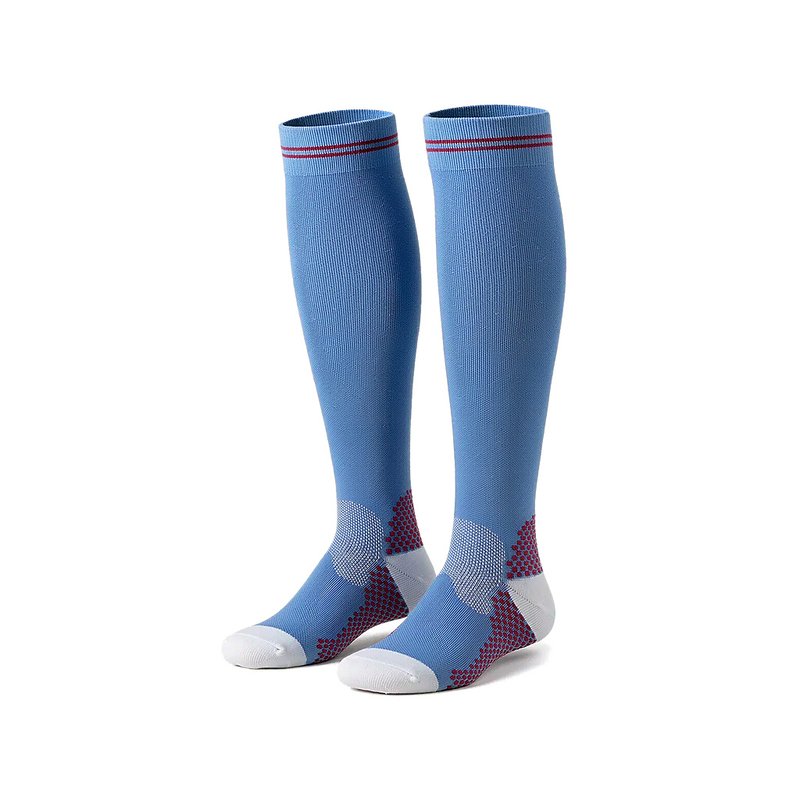
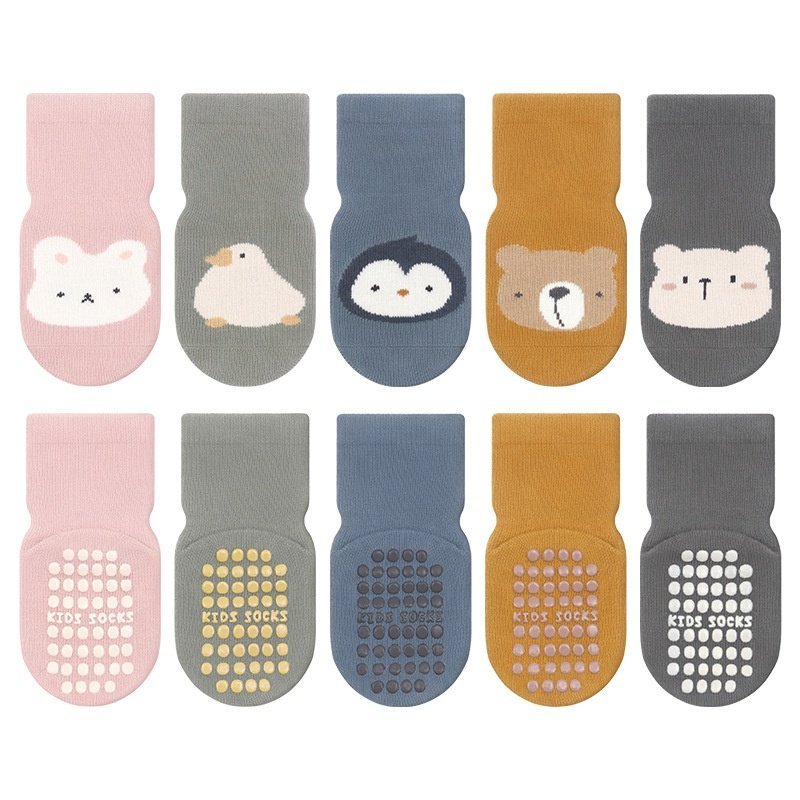
Every style on this site is quoted on the terms this page sets out. Both cards open the style’s own page — photographs, specification sheet and terms, without an email first.
Who wrote this guide
This guide was written by Michelle Zhang, Export sales manager at Sock Wholesalers. She sits on the export desk that answers buyer briefs, quotes orders and books freight, which is where the questions in this guide come from.
Six fields, one signature
Foot length, garment length, cuff diameter, heel position, label and split. Fill those six and the chart stops being a guess.
Send the range you sell in and the quantity band. The desk replies within one working day.