 Sock Wholesalers
Yarn options for custom socks, fiber by fiber
Your yarn decides how the sock stretches, how it washes, and how the cuff behaves after twenty cycles. Five families cover almost every bulk order we quote.
Why the yarn decision comes before the design
Fiber and count are decided together, and both are settled before artwork. A pattern drawn for a light cotton reads differently once the same design is knitted in a heavier blend.
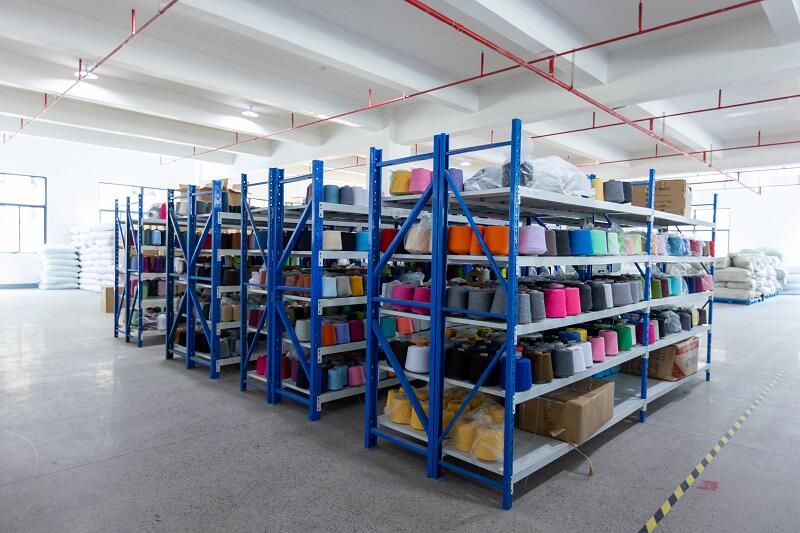
Yarn is held by lot. Once a lot is set aside for your order, the second shipment is matched to it.
Fiber sets stretch, warmth and how the sock behaves in the wash. That is the first of the yarn options for custom socks, and it is fixed before a single stitch count is written down.
A heavier count knits denser and reads thicker on the shelf. A lighter count knits faster and reads thinner. Neither is better until you name the end use and the market.
Where buyers get caught on the blend
Elastane is the common one. A buyer asks for stretch, accepts the word, and later finds the cuff relaxing in wear because nobody wrote a percentage down.
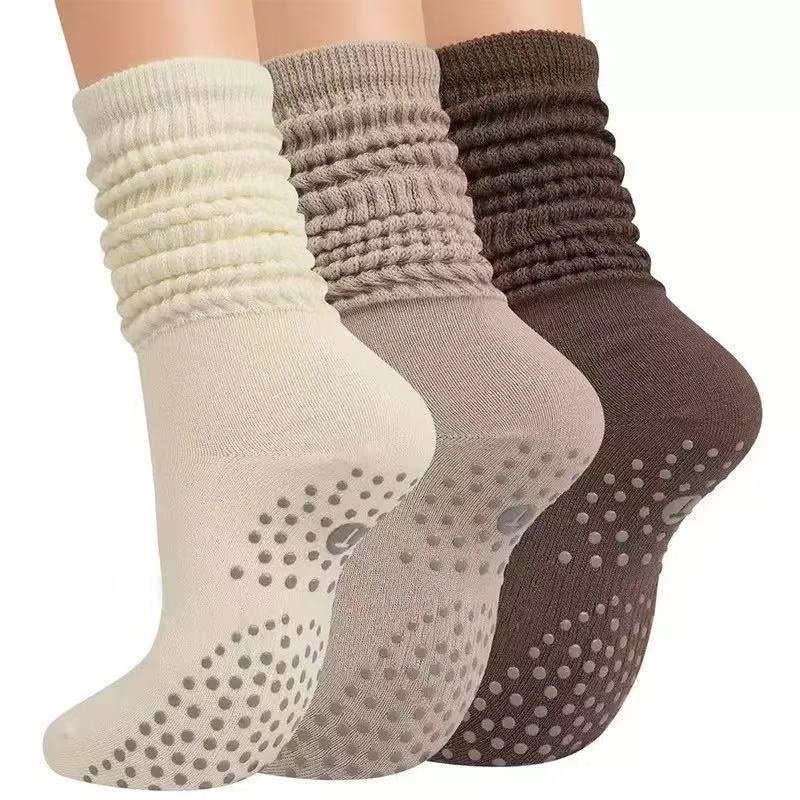
Ask for the content as numbers. Our listed ballet sock, for example, gives 5% spandex and 80% cotton, and the sample is knitted to that pairing.
The second trap is cotton quality, combed against carded. Both knit a soft sock, and carded pills sooner. Name which one you are buying, because the two sit at different points.
Five fiber families, and what each one does
Fiber behavior on a sock machine, and the point to confirm before you approve a sample.
| Fiber | What it gives | What to watch | Where we list it | Suits this use |
|---|---|---|---|---|
| Combed cotton | Soft hand, even dye, breathes well | Cuff relaxes unless blended | Ballet crew, casual crew | Ballet, dance, casual and business crews, and any studio sock that has to feel soft before it feels technical |
| Polyester | Holds shape, dries fast, prints cleanly | Can pill where the heel rubs | Thin studio crew, kids sports | Kids sports and thin studio crews, where the sock has to dry between classes |
| Nylon (polyamide) | Strength and a smooth surface | Feels cooler against the foot | Pilates grip crew | Pilates and yoga grip crews, where the sole has to hold a print or a dot layout |
| Spandex (elastane) | Returns the cuff and the arch | A high share is hard to pull on | Listed at 5% in the ballet sock | Any cuff that has to return after stretching, and the arch of a training sock |
| Merino wool | Warm when damp, low odor | Needs a gentler wash cycle | Nine cataloged styles run in merino blends today | Winter, outdoor and long-wear ranges — a brief on a cataloged merino construction goes straight to sampling; a new merino build adds a sample round |
Merino is named on this site as a yarn we hold, and nine cataloged styles run in merino blends today — the range is listed on the merino wool category page. A brief on one of those constructions goes straight to sampling; a merino build outside the nine is quoted to brief with the yarn confirmed on the specification sheet.
Which family to start from
One line per family, and where each one fits
Ballet and casual crews start on combed cotton; thin studio crews and kids sports start on polyester; a Pilates grip crew starts on nylon; the cuff that has to return needs a spandex share, listed at 5% in the ballet sock. Merino is the warm option, and nine cataloged styles already run in it — only a merino build outside those nine adds a sample round.
The route is the same whichever family you pick, and it is fixed by what the floor already knits: a fiber already running here needs no extra sample round, while a fiber no current style runs in adds one, because the construction has to be knitted and signed before bulk. Nothing in that table is a better version of the row above it — a fiber is right for an end use or it is not, and the end use is the line the brief has to name first. Send the sock you have in mind and the fiber you are weighing up, and the desk answers with what that fiber does to the cuff, the wash and the sole, in writing, against the sample you would sign.
The table above is set to print on one sheet: use your browser’s print command and the navigation and the buttons drop out, which leaves the five families, the notes beside them and the desk contact in the footer — the copy to take to a brand or product meeting.
Questions buyers ask
Which yarn should a first order use?
Start from the three the styles already list: cotton, nylon and polyester. A first order on a fiber we already knit needs no extra sample round. A new fiber adds one, and that round runs 3–5 days after the brief and artwork are confirmed.
Do you dye yarn to a Pantone reference?
Yes, with the reference sent in the brief. Color is matched on the sample rather than on a screen, because a monitor and a dyed cone never agree. The sample you sign is what bulk is checked against.
Where does yarn weight get written down?
On the specification sheet, in grams per pair. Weigh the signed sample, then weigh pairs pulled from the bulk carton. Both figures are recorded against your order number, so a weight claim has a document behind it.
What if the weight on my scale misses the sample?
Write to the desk with the order number and the figure off your scale. The sample on file is re-weighed, and the deviation is answered in writing before bulk continues. If the sample itself is off, a new round is run.
The styles this guide applies to
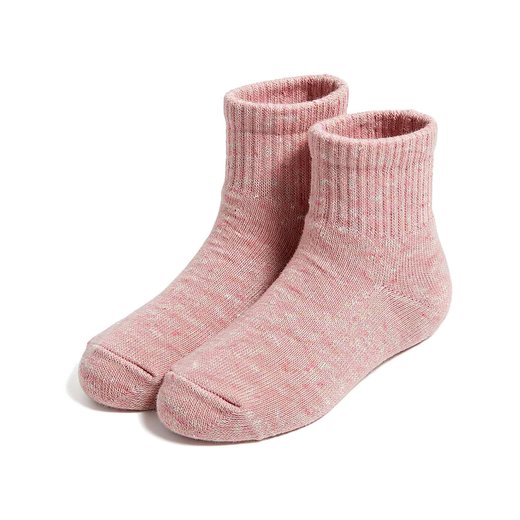
Every style on this site is quoted on the terms this page sets out. Both cards open the style’s own page — photographs, specification sheet and terms, without an email first.
Who wrote this guide
This guide was written by Michelle Zhang, Export sales manager at Sock Wholesalers. She sits on the export desk that answers buyer briefs, quotes orders and books freight, which is where the questions in this guide come from.
Four answers settle the yarn
Fiber by name, percentage in numbers, weight in grams per pair, and the end use. Those four answers cost one email and save a sample round.
Send the fiber and the quantity band. The desk replies within one working day with the construction route and the sample schedule.