 Sock Wholesalers
Page last updated: November 2, 2026
OEM socks are knitted to the specification you supply, line by line
On an OEM order the design is yours before this floor sees it, and the work is reproduction rather than interpretation: your construction and needle count, your yarn percentages, your size chart, your colours against physical references, your mark where you want it. That makes the specification the product. This page covers what a workable spec has to carry, where the floor answers with what its machines actually hold instead of a yes, who owns the file and the construction once the run is done, and the signature that turns a sample into the reference bulk is judged against.
The table splits the lines this site prints from the lines your specification fixes. The published figures are printed elsewhere here and unchanged; the quoted lines are the ones only your pack can settle — the specification, the set-up, the ownership — and each lands on the proforma invoice against the sample you signed.
Three lines the specification holds before a machine is set
Each card names one thing the brief has to answer, and the page on this site where the same rule is already written down.
Either a specification or a reference sock
A workable sock spec is short: construction and needle count, cushioning zones and mesh placement, yarn composition as percentages, the size range with the foot length behind each size, colours with physical references, packing, and where the mark sits. A sock you already sell answers most of that faster than a document does, which is why a photograph of it is the shortest brief this desk accepts.
Where it applies: An established style, a customer’s own specification, a construction your market already knows.
You decide: Whether the document or the physical sock governs, and which one wins if the two disagree.
Evidence: what each route expects a buyer to bring — see the OEM vs ODM guide.
The answer to a spec is what the floor holds
The test of a knitting floor is how it answers a specification it has never seen. The honest reply names what the machines hold and what they do not before anything is promised. Work outside that range is refused rather than passed to another factory and shipped under this name, because a refusal costs an email and a wrong yes costs a season.
Where it applies: Unusual needle counts, tight cushioning zones, mixed-fibre constructions.
You decide: Whether the part that cannot be held is redesigned or taken out of the spec.
Evidence: how a refusal is supposed to read — see the supplier vetting guide.
The sample is where the spec becomes binding
A signed and dated sample is filed against your order number, and the bulk run is checked against that copy before the cartons close. Until it is signed the specification is a proposal; after it, the specification is the reference a dispute is read against, which is why an OEM order starts at the approval rather than at the deposit.
Where it applies: Repeat programmes, licensed constructions, multi-size runs.
You decide: What the sample has to prove before you sign it, and who signs at your end.
Evidence: the approval stage published here — see the design process page.
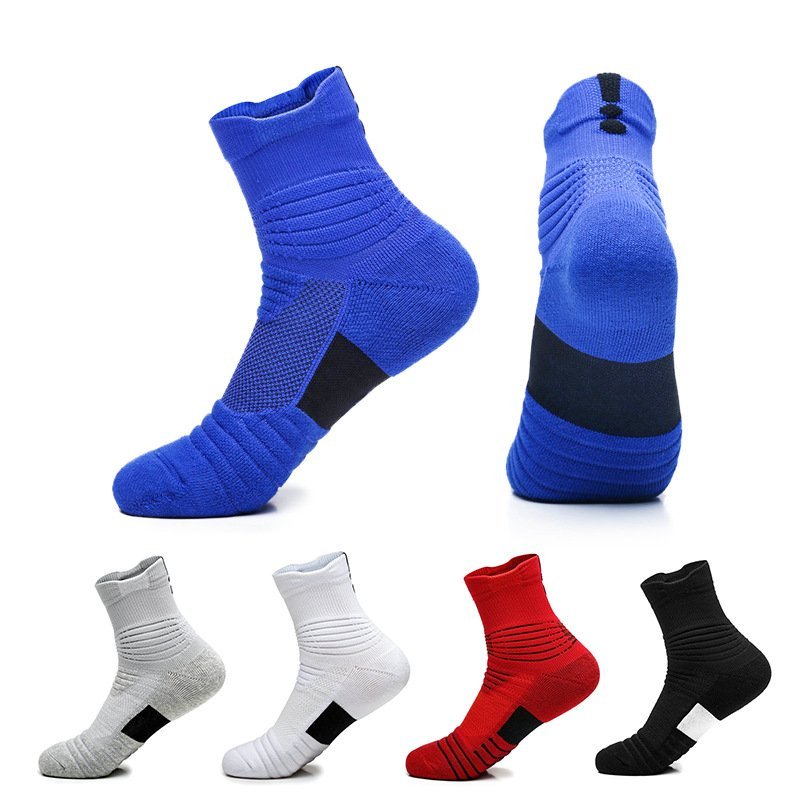
The lines an OEM order has to settle on both sides
An OEM order is costed line by line off your specification. These are the lines that exist on both sides of that conversation, split by which of them this site already prints.
Terms for an order built to a supplied specification. Published lines are printed on this site; quoted lines are settled on your proforma invoice against your spec and the signed sample.
- Order size
- 1,000 pairs per style
- Sample
- 3–5 days
- Bulk lead time
- 20–30 days
- Second sample
- same 3–5 day window
| Term | What we publish | How your own order sets it | Where it is published |
|---|---|---|---|
| PublishedSample | Typically 3–5 days after the brief and artwork are confirmed; charged per style, credited against your first bulk order. | One charged sample built to your specification, so the spec is proved in yarn rather than agreed in prose. | Sample policy page, quote page and buyer FAQ. |
| QuotedTechnical specification | Nothing here is quoted from a description. The specification is the input the costing is built on. | Which lines your pack carries: construction, needle count, yarn percentages, sizes with foot lengths, colours, packing and mark placement. | Specification sheet fields and the OEM vs ODM guide. |
| QuotedMachine set-up | A base that already runs needs no set-up; a construction new to this floor does. | The set-up time written into the quotation for your needle count, cushioning zones and pattern program. | The quotation, against your specification. |
| QuotedDesign file ownership | The artwork you send stays yours and sits on your order file, so a reorder uses it without a resend. | Whether the file is held for repeats only or withheld once your run is done, noted on the quotation in writing. | Design process guide and the quotation. |
| QuotedExclusivity on a construction | Protection is a written agreement rather than a default. | Whether the construction built for you can be sold on to another buyer, and in which markets it may appear. | The quotation. |
| QuotedWork the floor will refuse | What this floor does not hold is refused rather than passed to another factory and relabelled. | Which part of your spec is re-cut and which is held exactly, named in writing before a sample is built. | The reply to the brief. |
| PublishedBulk lead time | Typically 20–30 days after deposit received and the sample approved. | Counted from your signature on the sample, so a slow approval moves the date and a fast one pulls it forward. | Quote page, terms page and buyer FAQ. |
| QuotedCosting | No price list is printed on this site. | The binding figure sits on the proforma invoice against your construction, the set-up and the quantity band. | Terms page and quote page. |
Two rows carry the risk on an OEM order: the technical specification and the machine set-up. Both are lines where a vague yes is easy to give and expensive to live with, and both are cheaper to argue about before a sample exists than after the cartons are sealed.
What stays yours and what stays with the floor
An OEM order settles two kinds of ownership, and buyers who mix them up tend to discover it two seasons later. The rest of this page is the checking that follows the signature.
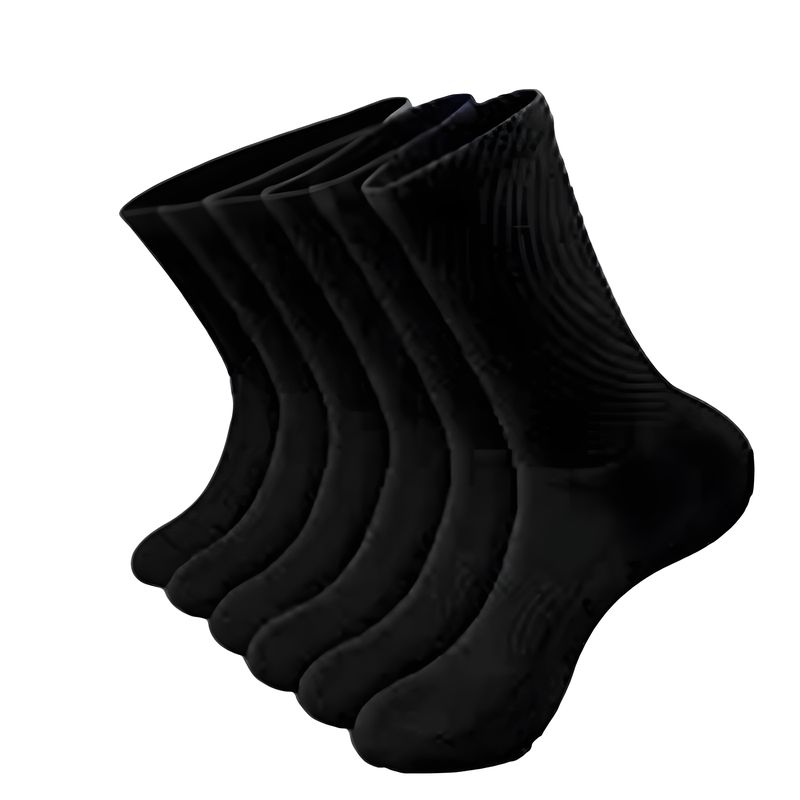
The file is yours; the construction stays here
The artwork you send stays yours and sits on your order file, so a reorder uses it without a resend. The construction — the needle count, the cushioning layout, the set-up built to run it — stays on this floor. If the pattern has to be withheld from any future run, that goes on the quotation in writing rather than into a conversation.
Where it applies: Licensed artwork, club crests, a construction your market knows you for.
You decide: Whether the file is held for repeats only, and whether the construction needs protection.
Evidence: the ownership rules published here — see the custom vs stock page.
A repeat reuses the spec that was already proved
The specification sheet, the artwork file and the signed sample stay on file against your order number. A reorder is a repeat against those three rather than a new brief, which is the practical reason an OEM programme gets cheaper to run in its second season even when the per-pair price does not move.
Where it applies: Annual programmes, scheduled call-offs, a second size range.
You decide: Whether the repeat is a straight run or carries a change worth re-sampling.
Evidence: what a repeat reuses — see the reorder lead time page.
Your own quality team can check the run
First off the machine is the check that catches a drift before it repeats across a whole run, and the inspection record that belongs to your order is sent on request rather than summarised. That matters on an OEM build because the specification is yours: a written number is easier to hold a floor to than a memory of what was agreed.
Where it applies: A construction with tight tolerances, a first run on a new base.
You decide: Which lines your inspector checks and at which point in the run.
Evidence: the nine inspection lines published here — see the QC checklist page.
Two styles where the spec, not the pattern, is the product
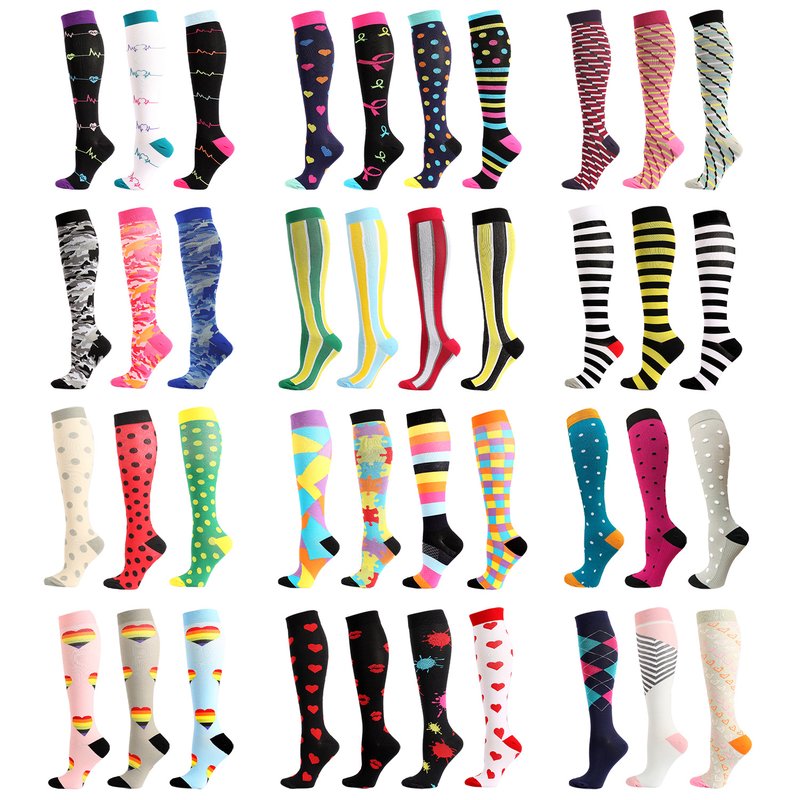
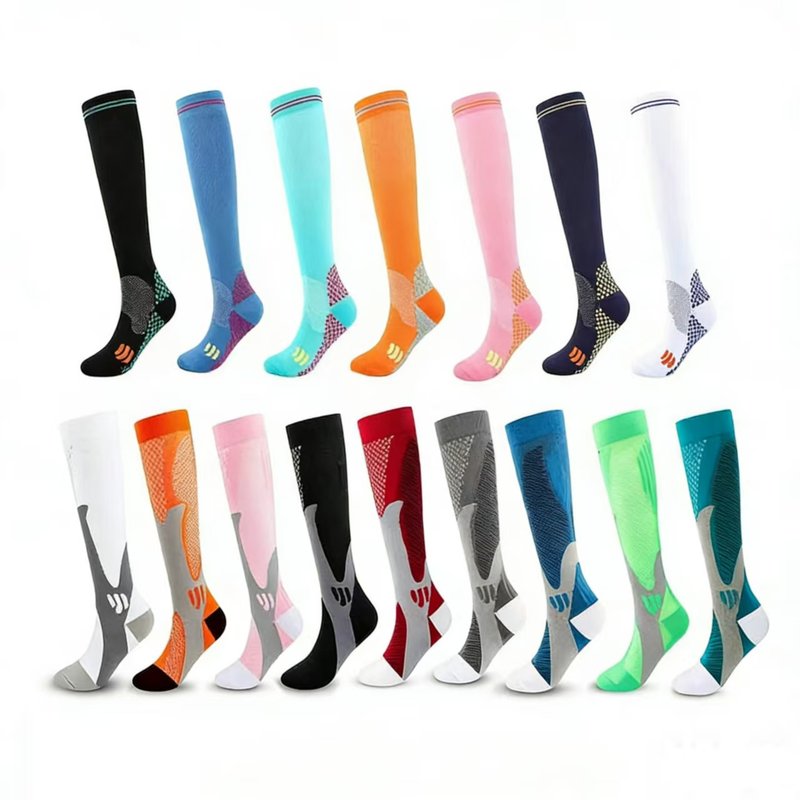
Both are built to a pressure class and a graded size set rather than to a look, which is the shape an OEM brief usually arrives in. Each card opens the style’s own page.
The edges of an OEM order
An OEM brief is only worth writing against a floor whose limits are stated, so here they are before the spec is sent.
- No price list. Costing follows your construction, the set-up and the quantity onto the proforma invoice.
- No OEKO-TEX or GRS file under our name. If your market requires one, name it in the brief and the reply says what can and cannot be supplied.
- No tooling handed over. The set-up and the construction stay on this floor; what you own is the file you sent and the sample you signed.
- No promise that a spec is holdable. A specification outside what the machines run is answered with a refusal before a deposit, not after.
- No buyer names. A customer’s construction is not ours to publish as a reference, so it is not used as one here.
- No medical-device claim. The compression line is a sock knitted to a 20–30 mmHg band, not a registered medical device.
What the spec must hold, who owns what, and how long it takes
What does a workable specification contain?
Seven lines: construction and needle count, cushioning and mesh placement, yarn composition as percentages, the size range with foot lengths in centimetres, colours against physical references, packing, and mark placement. A reference sock covers most of them at once, which is why it is accepted in place of a document.
Who owns the file once the run is done?
The artwork is yours and stays on your order file; the construction and its set-up stay with this floor. If you need the pattern withheld from any future run, or the construction kept out of another buyer’s hands, both are written onto the quotation rather than agreed by email.
Does OEM take longer than an adapted base?
Sampling and bulk run to the same published windows on both routes. The difference is the stage in front of them: an OEM order spends time settling the specification and the set-up, and an adapted base spends none because both already exist. That front stage is the real cost of holding the design.
Send the specification, or send the sock
Attach the tech pack or a photograph of the sock you already sell, name the size chart and the yarn percentages, and say which parts of the construction must be held exactly. The reply comes back within one working day with the lines this floor can hold, the ones it cannot, the per-style minimum in writing and the sample route.
Michelle Zhang, Export sales manager, answers enquiries within one working day — sales@sockwholesalers.com, +86-13761030160 (WhatsApp same number).