 Sock Wholesalers
Page last updated: November 2, 2026
White label socks are a style that already runs, with your mark added to it
White label is the shortest route from a decision to a sock. Nothing is designed and nothing is re-tooled: a style that already runs on this floor is knitted to your order, your mark goes on the cuff, and your label, header card or box closes the pack. The speed is real and so is the trade — the construction stays ours, the per-style minimum still applies because nothing is held in stock here, and the base can go to another buyer unless exclusivity is agreed in writing. This page sets out the fast path and what sits on the other side of it.
The table separates what this site prints from what only your brief settles. The published figures are printed elsewhere here and are unchanged; the quoted lines are the ones that decide how fast the mark lands — the style, the mark and the pack — and each is fixed on your proforma invoice.
Three decisions, all of them after the design is done
Each card names one decision a white label brief still has to make, and the page on this site where the rule behind it is already printed.
The construction decision is already made
A white label base has been knitted on this floor before: the tension, the finishing, the cuff and the sole are settled, and the machine set-up exists. That is where the speed comes from — there is no construction to argue about and no set-up to build. It is also the limit, because a white label order does not quietly become a new shape halfway through the brief.
Where it applies: First ranges, category fillers, promotions on a deadline.
You decide: Which base from the range, and whether the length you want already exists on it.
Evidence: where a running base sits against a stock line — see the custom vs stock page.
The mark is the change, and it is knitted in
A cuff mark knits on the machine that makes the sock, so it is part of the garment rather than a print that lifts after ten washes, with the body and the sole left available for a second position. Size and care labels, the header card and the printed box are the other half of the same decision, because the pack is where a brand’s resale price is defended.
Where it applies: Retail basics with a discreet mark, club and brand cuff bands.
You decide: The placement, the size and the colour count of the mark, and which pack element carries it.
Evidence: a cuff logo band knitted into the sock — see the specification sheet for that style.
Nothing is held in stock to ship
White label here is not a shelf of unbranded socks waiting for a label. The run is knitted after your brief is confirmed, which is why the minimum applies in full and why a colour change costs a run rather than a pick. Plan the route as a short production cycle rather than as a reorder from inventory and the dates read correctly from the first email.
Where it applies: Launch dates, promotions, seasonal windows.
You decide: The quantity band, the colourway and the date the cartons have to leave.
Evidence: the terms published for bulk orders — see the wholesale terms page.
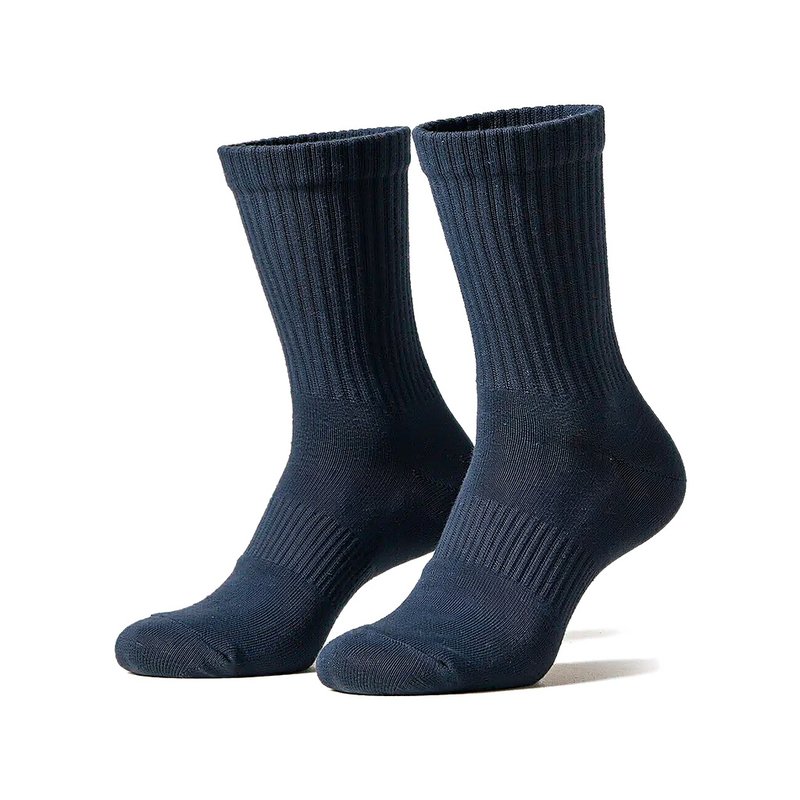
The lines a white label order still has to settle
This route is quick because most of the lines are already decided. These are the ones that are not, next to the figures this site prints before you write.
Terms for a style taken from the range under your mark. Published lines are printed on this site; quoted lines are settled on your proforma invoice against the base you choose and the mark you send.
- Order size
- 1,000 pairs per style
- Sample
- 3–5 days
- Bulk lead time
- 20–30 days
- Colour
- locked to a dye lot per order
| Term | What we publish | How your own order sets it | Where it is published |
|---|---|---|---|
| PublishedSample | Typically 3–5 days after the brief and artwork are confirmed; charged per style and credited against your first bulk order. | One charged sample on your base with your mark, so the mark is approved in yarn rather than on a screen. | Sample policy page, quote page and buyer FAQ. |
| QuotedStock position | No stock list is held here. Every order is knitted on this floor after the brief. | What you plan against: a production cycle with a sampling stage, not a pick from a shelf. | Custom vs stock guide and the wholesale terms page. |
| QuotedStyle choice | The range on this site is the base list, and every style on it is supplied produced under your brand. | Which base, and whether the length, the cuff and the sole on it are what your market already sells. | Product catalogue and each style’s specification sheet. |
| QuotedMark and nothing else | A cuff mark is knitted in on the machine that makes the sock; the body and the sole take a second position. | The placement, the size and the colour count of the mark — and nothing about the construction underneath it. | Logo placement field on the specification sheet. |
| QuotedPackaging artwork | Header card, OPP bag and printed box are offered as packing options, each costed as its own line. | Which pack elements carry your mark, and the artwork approval round that has to close before the run. | Packaging options page and the packing fields on the sheet. |
| QuotedBarcode and pack data | Barcodes are not assigned here; the number you send is printed exactly as given. | The barcode, the size strip and the hook size your own retail listing needs on the card. | Packaging options page. |
| PublishedBulk lead time | Typically 20–30 days after deposit received and the sample approved. | The first date your mark can be on a finished carton, counted from your approval rather than the order date. | Quote page, terms page and buyer FAQ. |
| QuotedCosting | No price list is printed on this site. | The binding figure sits on the proforma invoice against the base, the colourway and the quantity band. | Terms page and quote page. |
Two rows decide whether a white label order lands: the style choice and the barcode. The first settles whether the length suits your market at all; the second arrives late more often than any other line, and a missing code stops a pack at the till rather than in our warehouse.
What a running base does and does not protect
The design question was answered before you arrived, so what remains is colour, territory and paper — the three lines a white label buyer argues with later.
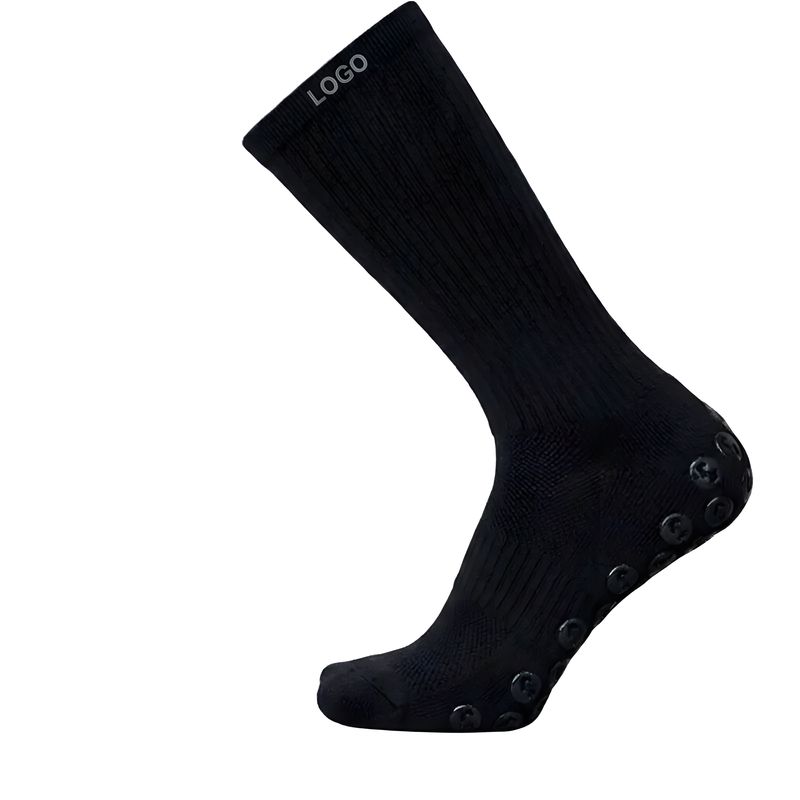
The repeat is a colourway question
Because the base does not change, a second order is decided on colour, pack and quantity. Colour is bought to a dye lot locked per order and matched to a physical reference you send, so a repeat of the same colourway is matched to the same lot rather than to a screenshot of the first launch.
Where it applies: Seasonal colour extensions, retail basics, a second promotional wave.
You decide: Whether the repeat keeps the existing lot or takes a new physical reference.
Evidence: the colour and yarn rules published here — see the yarn options page.
The base can go to another buyer
The design of a white label base stays with this floor, which is exactly why the route is fast and exactly what a buyer should price in. Where your market needs protection it is agreed in writing, on two questions: whether the adapted base can be sold to another buyer in your territory, and whether your mark can appear in the factory’s own trade listings.
Where it applies: Exclusive ranges, distributor territories, retail chain programmes.
You decide: Whether you need exclusivity at all, and for which market it should hold.
Evidence: how the routes compare on ownership — see the OEM vs ODM guide.
The paperwork does not speed up with the design
The invoice and packing list are issued with the shipment, and a certificate of origin is issued where the destination asks for one. The certificates held by the factory entity are published with their numbers and dates, so a compliance desk can check the holder before a purchase order is raised rather than after the goods land.
Where it applies: Customs entry, retailer onboarding, marketplace compliance files.
You decide: Which documents and which certificate copies your market puts in the file.
Evidence: the certificate numbers and dates published here — see the certificates section.
Two bases that shipped carrying somebody else’s mark
Both constructions already run on this floor, and neither was designed for the buyer whose mark went on it. Each card opens the style’s own page.
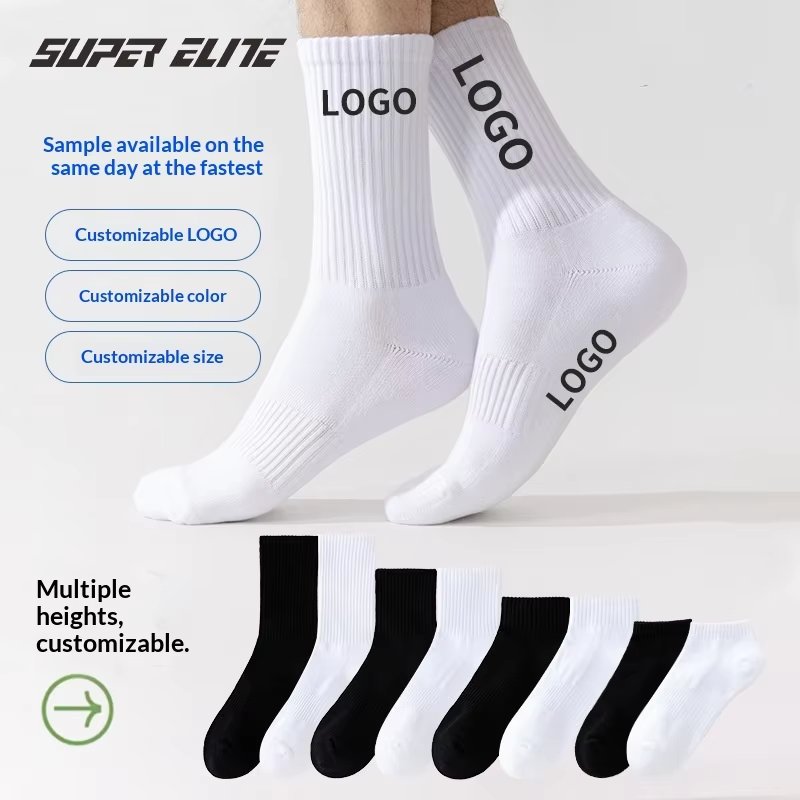
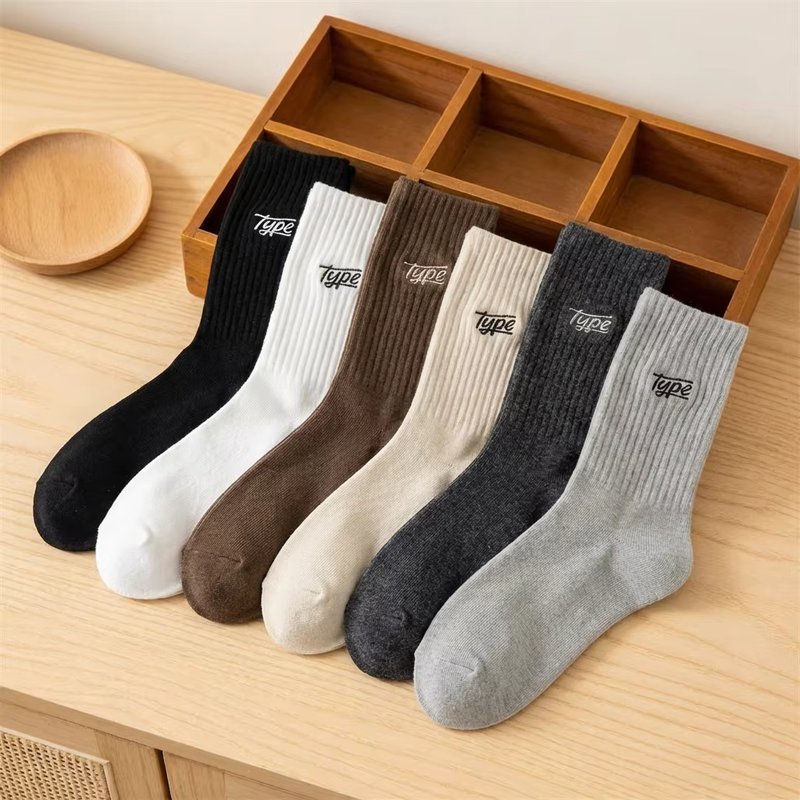
What white label does not include
The route is fast because it is narrow. Publishing the edges stops a brief from being written against something this floor will not do.
- No stock to ship. Nothing sits on a shelf waiting for a label. The run is knitted after your brief, and the per-style minimum applies in full.
- No construction change. A different shape, cuff or sole is a new base, which is a different route and a different quote.
- No price list. Costing follows the base, the colour count and the quantity onto the proforma invoice.
- No exclusivity assumed. A running base may be sold to other buyers unless protection is agreed in writing before the run.
- No OEKO-TEX or GRS file under our name. If your market requires one, name it in the brief and the reply says what can and cannot be supplied.
- No instant yes on a construction. A style outside the range is refused rather than passed to another factory and relabelled.
How fast, what may change, and whether the base is yours
How fast can my mark be on a sock?
Sampling runs 3–5 days after the brief and artwork are confirmed, and bulk runs 20–30 days after the deposit and the approved sample. Sea transit sits on top of that. Nothing is shortened by the route except the design and set-up stage, which is the stage that was already done.
What can I change without it becoming a new style?
The colourway, the mark and the pack. Those three move freely on a running base. The construction does not: a different length, cuff tension or sole is a different base, and it is quoted as one rather than dropped into a white label brief.
Is the base mine alone?
Not by default. The design belongs to this floor, so exclusivity is a written agreement and not an assumption — and it is cheaper to settle before a launch than after a competitor lists the same sock in the same colour.
Send the base, the mark and the pack
Name the style number or paste the product page link, attach the mark with its placement, and say which pack level you need. The reply comes back within one working day with the construction confirmed for that base, the per-style minimum in writing, the sample route and the two questions that would otherwise surface after the deposit.
Michelle Zhang, Export sales manager, answers enquiries within one working day — sales@sockwholesalers.com, +86-13761030160 (WhatsApp same number).