 Sock Wholesalers
Page last updated: November 2, 2026
Personalized socks are one design with an individual decision inside every pair
The knitting is the smallest part of a personalized sock order. The design is one style, and the order is a list: a name or a number on each pair, the right size behind each row, each pair into its own bag, and cartons packed and marked so that whoever opens them can hand them out. This page is about that list and the finishing line behind it — what it has to contain, where the variation is created, what the sample can and cannot prove, and the one thing this floor does not do with individual pairs.
The table below keeps two kinds of line apart. The published figures are printed elsewhere on this site and are the same here; the quoted lines are the ones a list creates — per-pair variation, individual packing, the sort — and each is settled on your proforma invoice against the approved sample and the list.
Three decisions turn a style into a list of individuals
Each card names one decision, what the floor can do with it, and the page on this site where the surrounding rule is already printed.
The list is the specification, not an attachment
One row per pair: the name or the number exactly as it should print, the size that goes with it, and the carton it belongs in. A list in that shape can be quoted and sorted. A list exported from a shop system with four spare columns and half the sizes blank stops at the sort instead of at the machine. Send the columns that print and nothing else, because the rest is personal data you do not need to hand over.
Where it applies: Clubs and squads, school leavers, event registrations, staff gifting.
You decide: The columns on the list, the size behind each row, and the order the cartons should go out in.
Evidence: the sizing fields this site asks for — see the size chart page.
The variation is created in finishing, not in bulk
The design is one style, and the minimum is counted per style rather than per pair, so a hundred different names are still one style. What differs pair by pair is set on the finishing line: the name or number on each pair, one pair to a bag, and each bag marked so it can be found again inside the carton. That is why the list has to reach the floor before the packing stage begins rather than during it.
Where it applies: Name runs, numbered kit, individually bagged gifting.
You decide: Which detail differs pair by pair, and how legible it stays at arm’s length.
Evidence: the style here that ships one pair to a bag — see the specification sheet for that style.
Cartons are packed to the list, not to the size
A carton holding one squad or one household is a different picking job from a carton of assorted sizes, and the grouping is fixed before packing starts. Carton markings travel further than the hand-out: a forwarder reads them, a warehouse picker reads them weeks later, so the box label, the packing list and the list itself have to agree on the same names.
Where it applies: Squad hand-outs, staff distribution, seeded gifting lists.
You decide: The grouping, the box marks, and who reads the packing list at the far end.
Evidence: how pack formats and carton marks are confirmed — see the packaging options page.
What a list adds to a normal order, and where each line is settled
A personalized order is quoted on the same published figures as any other. What it adds is the list itself, and the rows below are the lines that list decides.
Terms for a run of one style carrying individual names, numbers or packs. Published lines are printed on this site; quoted lines are settled on your proforma invoice against the approved sample and the list.
- Order size
- 1,000 pairs per style
- Sample
- 3–5 days
- Bulk lead time
- 20–30 days
- Shipping transit
- 25–40 days
| Term | What we publish | How your own order sets it | Where it is published |
|---|---|---|---|
| PublishedSample | Typically 3–5 days after the brief and artwork are confirmed; charged per style, credited against your first bulk order. | One charged sample can show one name. It confirms the fibre, the placement and the pack, not a list. | Sample policy page, quote page and buyer FAQ. |
| QuotedThe name list | Nothing is printed from a description. The list is the record, one row per pair. | Which columns print, the size behind each row, the character limit per name, and the cut-off for a list arriving at the desk. | The packing and personalization fields on the specification sheet. |
| QuotedPer-pair variation | A name or a number on every pair is a change of detail inside one style, not a change of design. | How each pair is told apart on the line, and whether the variation sits on the sock, the bag or both. | Personalization line on the specification sheet. |
| QuotedIndividual packing | Packing is costed as its own line, and the minimum of 1,000 pairs per style holds across every pack format. | One pair to a bag and what is printed on or slipped into it, confirmed as a packing line on the invoice. | Packaging options page and the packing fields on the sheet. |
| QuotedSort and carton marks | Cartons are stacked by order, and the markings on the outside are what a forwarder reads first. | The grouping behind each carton, the box label and the sequence the cartons come out in. | Packing fields on the specification sheet. |
| QuotedData on the list | What this desk needs from a list is the columns that print, and nothing beyond them. | Who holds the list, how long it is kept against the order, and whether it is returned or destroyed after the run. | Privacy notice on the contact page. |
| PublishedBulk lead time | Typically 20–30 days after deposit received and the sample approved. | Counted from approval, so a late list moves the date even when the sock is already signed off. | Quote page, terms page and buyer FAQ. |
| QuotedCosting | No price list is printed on this site. | The binding figure sits on the proforma invoice against the list length, the pack format and the quantity band. | Terms page and quote page. |
The two rows that decide whether a name run lands cleanly are the list and the sort. Both are cheap at the brief stage and expensive at the packing stage, because a re-sort means opening sealed cartons and a re-pack is a second run of the packing line.
How a run of individuals is checked and repeated
A name run cannot be sampled in the plural. What can be done is to fix the rules before the first carton closes, and this is where the checking sits.
A sample proves one pair, so the first carton is the real check
The sample you sign is filed against your order number, and it sets the fibre, the placement of the mark and the pack. What it cannot show is whether a hundred names were printed in the right order. That check is the first carton against your list, which is why the packing list travels with the goods and why the two documents have to be read side by side.
Where it applies: Squad kit, staff lists, named gifting runs.
You decide: Who reads the first carton against the list, and when.
Evidence: what the signed sample is held to — see the sample policy page.
A repeat brings a new list, not a new design
The style, the artwork and the approved sample stay on file against your order number, so a second run does not need to be re-briefed. What changes is the list, and it changes completely: new names, new sizes, new grouping. Send the new list with the order number and the run starts from the specification that already exists.
Where it applies: Annual club kit, seasonal staff lists, recurring gifting.
You decide: The new list, the quantity band and the date the cartons have to leave.
Evidence: what a repeat reuses — see the reorder lead time page.
A mismatch is argued from the packing list
The invoice and the packing list are issued with the shipment, and a short or mis-sorted carton is checked against those two rather than against an email. The window to raise it in writing is 30 days from arrival, counted with the order number so the batch can still be identified at your end.
Where it applies: Distribution to members, retailer hand-over, gifting lists.
You decide: Which document you check on arrival, and who holds it after the hand-out.
Evidence: the terms of a claim — see the returns page.
Two styles that run as one design and many individuals
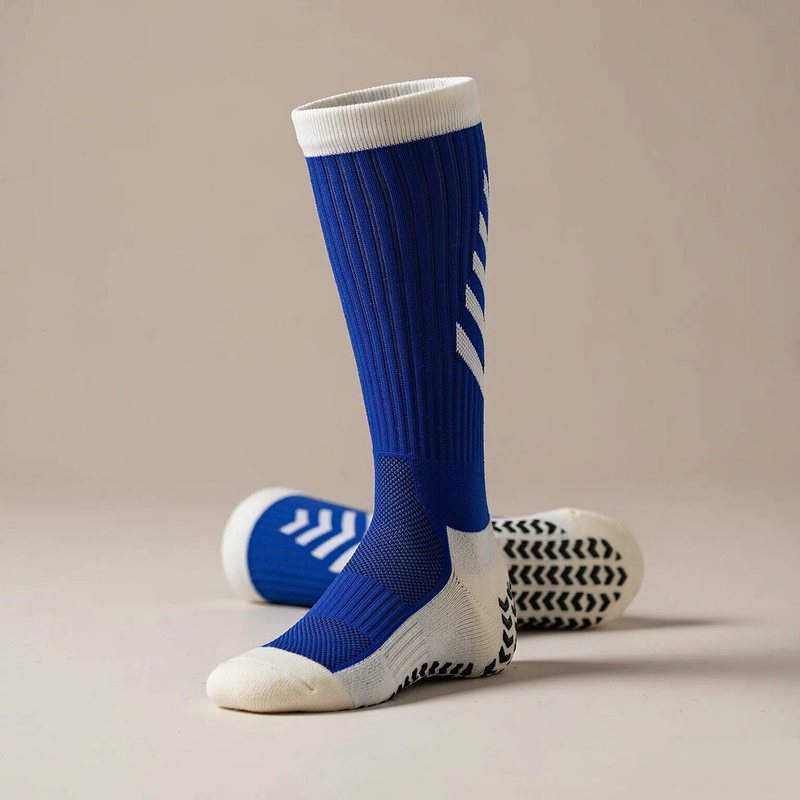
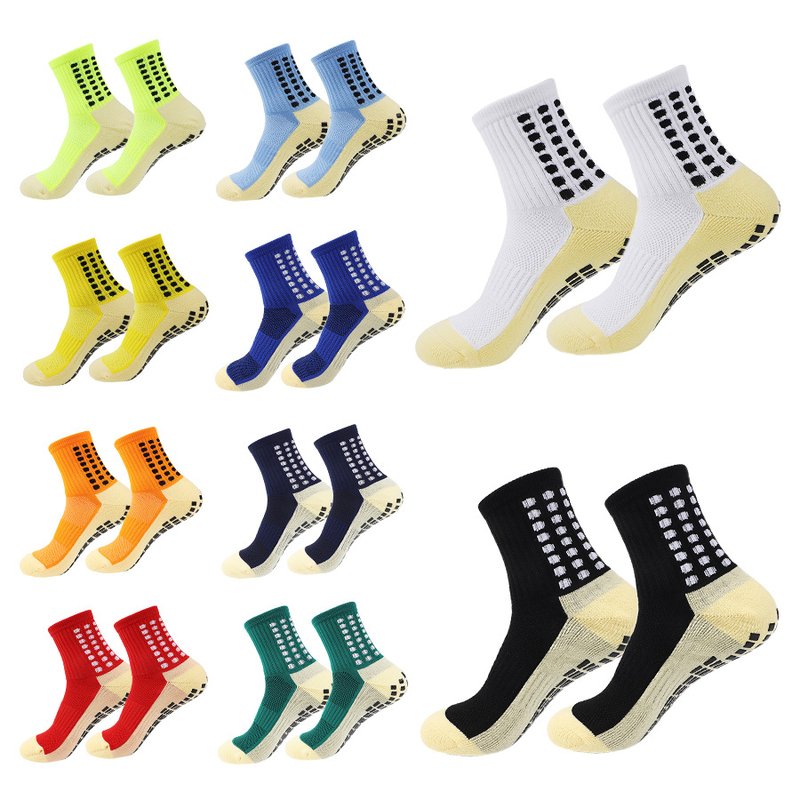
Both are current listings on this floor and both went out as one style in a set of individual packs. Each card opens the style’s own page.
Where an individually packed order stops
The line between a factory finishing an order and a shop posting parcels is worth stating before the brief, not after it.
- No consumer parcels. Pairs are bagged and sorted in bulk at the factory. Picking, packing and posting single shopper orders stays on your side.
- No price list. Costing follows the list, the pack format and the quantity onto the proforma invoice.
- No buyer names. A customer’s list is not ours to publish or reuse, so it is not used as a reference here.
- No OEKO-TEX or GRS file under our name. If your market requires one, name it in the brief and the reply says what can and cannot be supplied.
- No change after the cartons close. Packing is built from the purchase order; a change after sealing is a re-pack rather than an adjustment.
- No instant yes on a construction. Work outside what this floor holds is refused rather than passed to another factory.
What stays the same, what differs, and how the sort is proven
Can the design stay the same while every pair differs?
Yes, and that is the whole point of the route. The design is one style counted as one style for the minimum, and the difference lives in the detail — a name, a number, the bag, the carton. What a buyer is not buying here is a different sock for every row of the list.
How is the list checked before the cartons ship?
The first carton is read against the list, and the packing list travels with the goods so the same comparison can be made at your end. A mismatch is raised in writing with the order number inside the 30-day window, which is why the box marks matter as much as the sock.
What does the list have to contain to be usable?
Three columns and a cut-off date: what prints, the size per row, and the carton each row belongs to. Anything beyond those three is personal data with no production use, and the desk would rather not hold it.
Send the style and a sample of the list
Name the style, attach a few rows of the list in the shape you would send it, and say how each pair should be bagged and grouped. The reply comes back within one working day with the per-style minimum in writing, the sample route, and the questions that would otherwise surface at the packing stage.
Michelle Zhang, Export sales manager, answers enquiries within one working day — sales@sockwholesalers.com, +86-13761030160 (WhatsApp same number).