 Sock Wholesalers
Page last updated: November 2, 2026
ODM sock production takes a base this floor already runs and changes what your market sees
ODM sock production starts from a design that is already settled: a base whose machine set-up, tension and finishing have run here before, changed only in the places your market notices — colour, cuff height and elasticity, grip layout, your mark, your pack. That is why a sample arrives sooner than on a design of your own, and it is also where the route stops: the base itself stays with this floor, and exclusivity, if you need it, is written down rather than assumed. This page covers the base list, what may change, what may not, and who the design belongs to afterwards.
The table separates the figures this site prints from the lines your own order settles on the base. Published lines are printed elsewhere here and unchanged; quoted lines are the ones a base determines — what may change, what may not, who the design belongs to — and each lands on your proforma invoice.
Three things a running base decides before you brief
Each card names one consequence of starting from an existing design, with the page on this site where the surrounding rule is already printed.
A base is a decision that has already been made
A base is a construction whose machine set-up, tension and finishing are settled because it has run here before. That is the whole saving: nothing is invented, so the sample arrives sooner and the sample is the only thing left to prove. You are choosing a starting point with a known finished sock behind it rather than a blank page.
Where it applies: Filling a category, testing a market, extending a range that already sells.
You decide: Which base, and whether its finished shape is the one your market buys.
Evidence: how a base differs from a design of your own — see the OEM vs ODM guide.
The changes that decide how it sells
On a grip sock, three settings change how the product sells: the grip-dot layout, the rib cuff height and the rib cuff elasticity, and all three are settled before sampling starts. Colour sits on top of that. These are the changes an adapted base exists for — visible to a customer, quick to decide, and impossible to add once the run is knitted.
Where it applies: Grip socks for studios and court sports, cuff-led retail basics, seasonal colour.
You decide: The dot layout, the cuff height, the elasticity and the colourway.
Evidence: a grip style where those settings are fixed — see the specification sheet for that style.
The design stays here, and that is the trade
What ODM does not give you is the design itself. The base is this floor’s, which is the reason a sample comes quickly and the reason another buyer can order something close to it. Where that matters, exclusivity is agreed in writing before the run: whether the adapted base can go to another buyer, and in which market. It is a short conversation and an unpleasant surprise.
Where it applies: Brand ranges that need protection, distributor territories, licensed ranges.
You decide: Whether protection is needed at all, and for which market it has to hold.
Evidence: the ownership position on both routes — see the private label brands page.
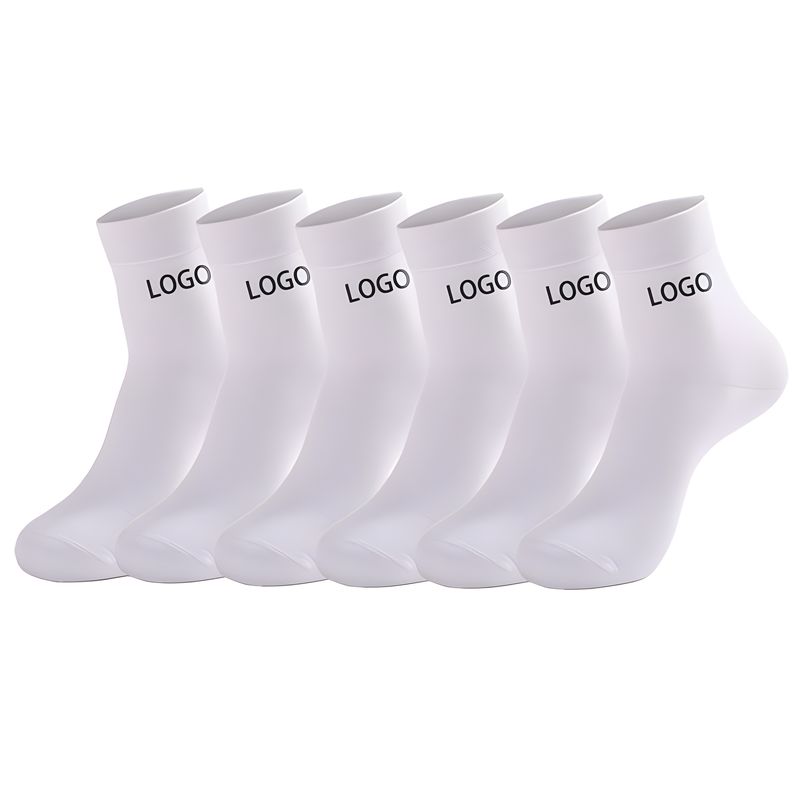
What the base settles and what your order still has to
An adapted base is quoted off lines that mostly already exist. These are the ones your brief still moves, beside the figures this site prints before you write.
Terms for a style adapted from the range on this floor. Published lines are printed on this site; quoted lines are settled on your proforma invoice against the base you choose and the changes you name.
- Order size
- 1,000 pairs per style
- Sample
- 3–5 days
- Bulk lead time
- 20–30 days
- Design base
- adapted from the range here
| Term | What we publish | How your own order sets it | Where it is published |
|---|---|---|---|
| PublishedSample | Typically 3–5 days after the brief and artwork are confirmed; charged per style, credited against your first bulk order. | One charged sample on the adapted base, which proves the changes rather than the construction. | Sample policy page, quote page and buyer FAQ. |
| QuotedThe base list | The catalogue on this site is the list of bases a style can be adapted from. | Which base, and whether the length, cuff and sole on it are the ones your market already sells. | Product catalogue and each style’s specification sheet. |
| QuotedWhat a base lets you change | Colour, cuff settings, grip layout, the mark and the pack are the changes the route is built for. | Which of those you take, and how far each one moves before it stops being the same base. | Specification sheet fields for pattern, grip, cuff and colour. |
| QuotedWhat a base does not let you change | The construction is this floor’s, so its needle count and finished shape are not on the table. | Which part of the shape you need held exactly, and what becomes a separate brief if it cannot be. | The reply to the brief, and the quotation. |
| QuotedGrip and cuff settings | Grip-dot layout, rib cuff height and rib cuff elasticity are settled before sampling starts. | The dot density and placement, the cuff height and how tight the rib knits. | Grip and cuff fields on the specification sheet. |
| QuotedExclusivity on a base | The base is not exclusive by default; it is adapted for whoever orders it. | Whether the adapted version can be sold to another buyer, and in which market that holds. | The quotation, agreed in writing before the run. |
| PublishedBulk lead time | Typically 20–30 days after deposit received and the sample approved. | Counted from approval, so the time saved on this route is in front of the sample, not after it. | Quote page, terms page and buyer FAQ. |
| QuotedCosting | No price list is printed on this site. | The binding figure sits on the proforma invoice against the base, the colour count and the quantity band. | Terms page and quote page. |
Two rows are where this route gets misread: what a base lets you change, and what it does not. Both are answerable in one email at the brief stage, and both turn into a re-brief and a lost fortnight when they surface after the sample.
What carries an adapted base forward
The base was chosen because it already works. What follows is a colourway decision, a pack decision, and the point where this route stops being the right one.
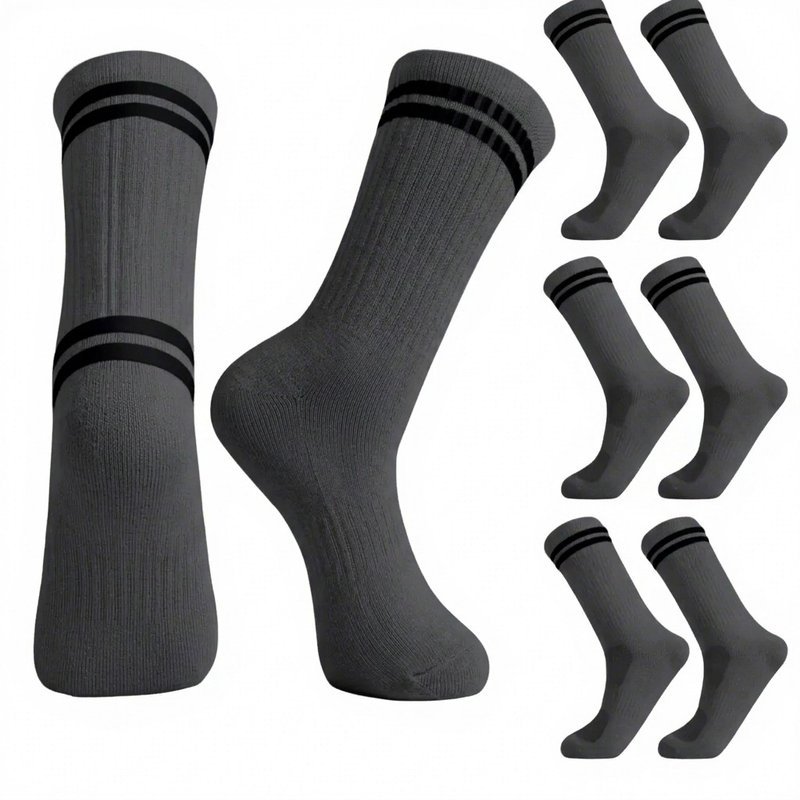
A repeat is the same base in a new colour
The specification, the artwork and the signed sample stay on file against your order number, so a repeat starts from a locked sheet. Colour is bought to a dye lot locked per order and matched to a physical reference you send, so a seasonal colourway is a matched lot rather than a screen pick.
Where it applies: Seasonal colourways, retail basics, a second promotional wave.
You decide: Whether the repeat keeps the existing lot or takes a new physical reference.
Evidence: the colour rules published here — see the yarn options page.
The pack is the part that is only yours
An adapted base can be ordered by anyone; the pack cannot. Size and care label artwork, the header card, the OPP bag and the printed box are specified with the sock and confirmed as packing lines on the invoice, and the artwork is approved before the run. That is where two buyers of the same base stop looking alike.
Where it applies: Retail shelf, marketplace listings that photograph the pack, gifting.
You decide: Which pack elements carry your mark, and the artwork that goes on each.
Evidence: the pack formats published here — see the packaging options page.
When the base stops being enough, it is a new brief
An adapted base holds until the shape itself becomes the product: a different needle count, a cushioning layout nobody here runs, a fit your market asks for by name. At that point the work moves to a design of your own, and it is cheaper to run it as a second brief than to bend this one until the base no longer resembles what was sampled.
Where it applies: A range built around a fit, a construction licence, a second-season redesign.
You decide: Whether the next order is still an adaptation or already a design of your own.
Evidence: where the two routes divide — see the OEM vs ODM guide.
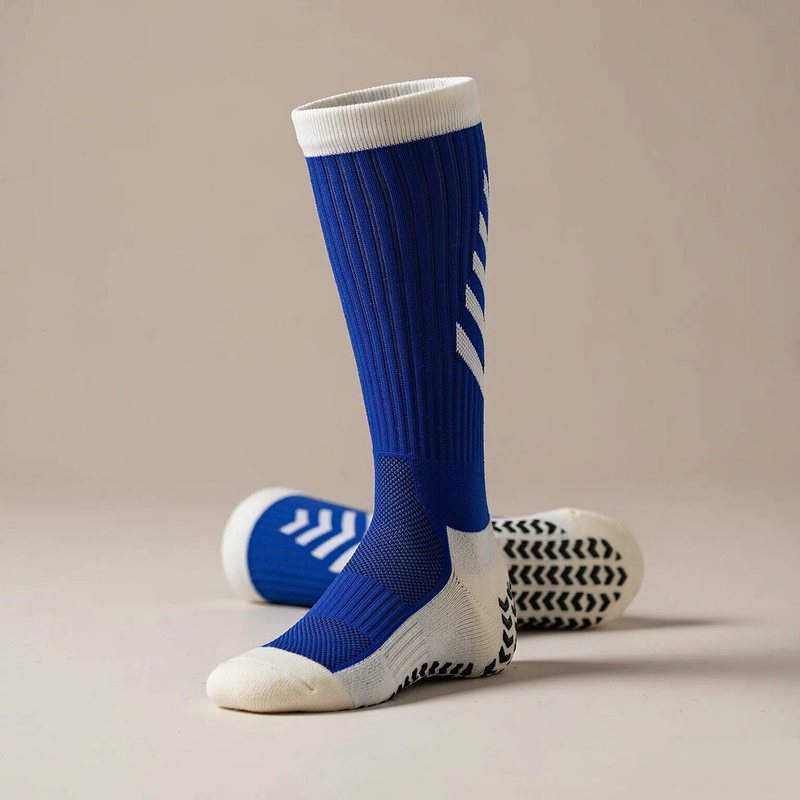
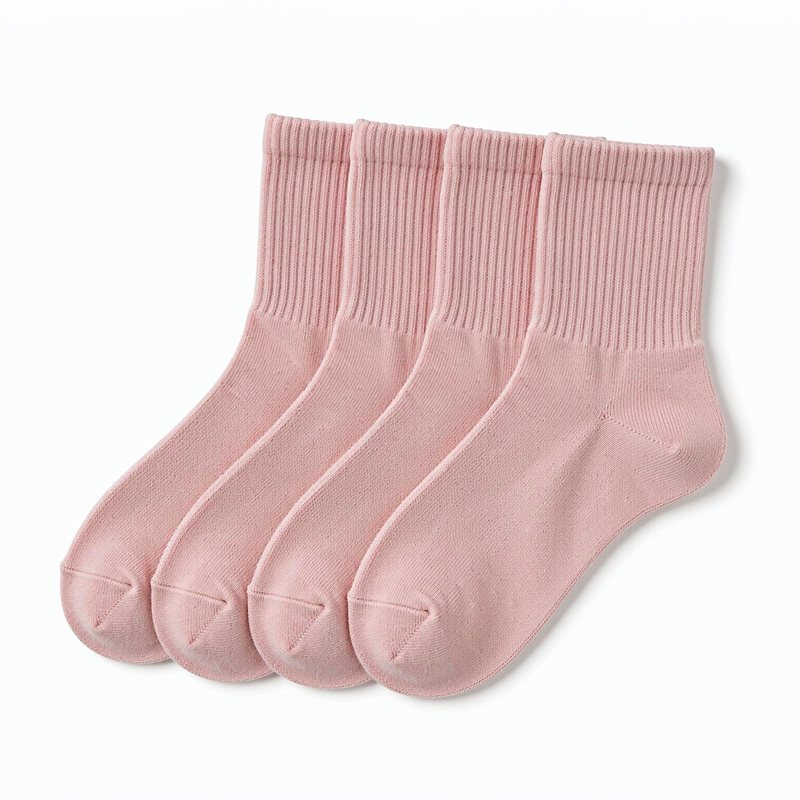
Two bases that were adapted rather than designed
Both are constructions this floor already ran, changed in colour and mark for the buyer who ordered them. Each card opens the style’s own page.
Where an adapted base stops
This route is fast because it borrows a decision. The borrowed parts are worth naming before the brief is written.
- No new design. A base can be adapted, not invented. Something that does not exist in the range is a design of your own, which is the other route.
- No price list. Costing follows the base, the changes and the quantity onto the proforma invoice.
- No buyer names. A customer’s adaptation is not ours to publish as a reference, so it is not used as one here.
- No floor-wide exclusivity. Protection is agreed per base and per market rather than across a range, and the quotation names exactly what is held.
- No OEKO-TEX or GRS file under our name. If your market requires one, name it in the brief and the reply says what can and cannot be supplied.
- No promise that a base suits your market. A base is chosen here because it already sells somewhere, not because it has been tested where you sell.
What is mine, what is worth changing, and when to stop borrowing
What is actually mine on this route?
The changes you direct and the pack around them. The base itself stays with this floor. That is not a hidden catch; it is the reason the sample arrives sooner, and it is why the two things worth putting in writing are the exclusivity you need and the marks that may not appear anywhere else.
Which changes are worth making?
The ones a customer can see: the colourway, the cuff height and how tight the rib knits, the grip layout, the mark, and the pack. Changes a customer cannot see cost a run and buy nothing, which is where the route is usually mistaken for a way to make a custom sock cheaply.
When does an adapted base become the wrong route?
When the shape is the product. A needle count this floor does not run, a fit your market asks for by name, a cushioning layout nobody here builds — at that point the honest move is a second brief as a design of your own rather than an adaptation stretched until the sample no longer holds.
Send the base and the changes you want on it
Name the style, say which colourway, which cuff and which grip layout you want, and attach the mark with its placement. The reply comes back within one working day with what the base can and cannot carry, the per-style minimum in writing, the sample route and the exclusivity question if you need one answered.
Michelle Zhang, Export sales manager, answers enquiries within one working day — sales@sockwholesalers.com, +86-13761030160 (WhatsApp same number).